

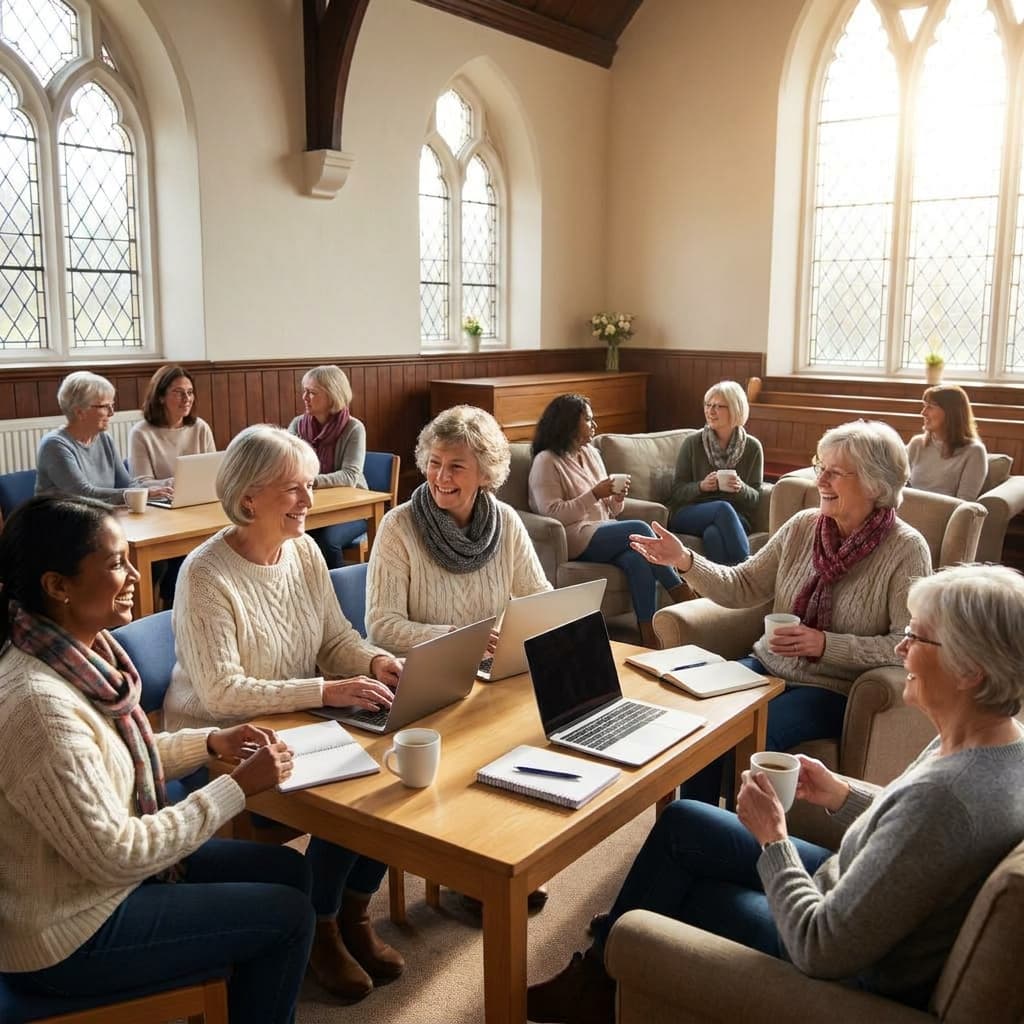
Many church leaders recognize the real effect a healthy women's ministry can have on the spiritual health of a congregation. It is a place of connection, growth, and shared faith journeys. In our current digital world, the question becomes how to carry that in-person experience into an online setting without losing what makes it meaningful. This isn't just about throwing a camera at a physical gathering. It's about intentionally building systems and using digital tools to help women stay connected and keep growing in faith.
This post is for church pastors, communications directors, and ministry leaders who want their women's ministry to work online in a way that still feels personal and useful. We will break down practical strategies for not only hosting powerful online Bible studies for women but also for building an active digital community that supports and nurtures its members.
Why Digital Women's Ministry Matters
Many women in your church are busy. They juggle careers, families, and countless responsibilities. While the desire for spiritual growth and community remains strong, the time and logistical barriers to in-person gatherings can be significant. Digital ministry offers flexibility and accessibility that can bridge these gaps, allowing more women to participate regardless of their schedule or geographic location. It removes barriers for those who might be homebound, live further away, or simply have very limited free evenings.
Also, a well-executed online strategy can expand your ministry's reach beyond your immediate church walls, touching the lives of women who might not otherwise connect with your church. It's about meeting people where they are, which increasingly, is online.
The Power of Clear Planning
Building an effective online women's ministry is not about copying your in-person model on a screen. It requires clear planning. Think about how people will talk to each other, how leaders will guide discussion, and how women will feel known instead of anonymous in a virtual room. This means thinking beyond just the content and focusing on the experience.
Pillar 1: Structuring Engaging Online Bible Studies
The core of many women's ministries is the Bible study. Translating this effectively to an online format demands more than just a video call. It requires thoughtful planning around teaching, technology, and community building.
Choosing the Right Platform
Your platform choice sets the stage. There are numerous options, each with its strengths and weaknesses:
- Video Conferencing Tools (Zoom, Google Meet): Excellent for live, interactive sessions. They offer screen sharing for visuals, breakout rooms for small group discussions, and chat functions for questions. This is usually the simplest choice for live studies.
- Learning Management Systems (LMS) or Church Management Software with Group Features: Some church management platforms now include strong tools for hosting online courses, sharing resources, and facilitating discussion forums. These are great if you want a more structured format that does not depend on everyone being online at the same time.
- Private Social Media Groups (Facebook Groups): Can be effective for less formal, ongoing discussions, sharing short devotionals, and building camaraderie. Tread carefully here. Make privacy expectations clear and keep the conversation focused.
Consider your leadership's comfort level with technology, your budget, and the specific needs of your participants when making this decision.
Crafting Study Content for the Digital Space
Online attention spans can be shorter. Structure your Bible study sessions to be engaging and interactive:
- Pre-work: Assign readings or watch a short video before the live session. This allows for deeper dive discussions during the scheduled time.
- Interactive Elements: Incorporate polls, Q&A sessions, and opportunities for participants to share their insights. Don't just lecture. Facilitate dialogue. Share thought-provoking questions in advance.
- Visual Aids: Use screenshare to display scripture, maps, or study guides. Visuals keep participants engaged.
- Breakout Rooms: For large groups, use breakout rooms for smaller, more intimate discussions. This is important for building deeper connection and ensuring everyone has a chance to speak. Designate facilitators for each room.
- Clear Agenda: Provide a clear outline of the session at the beginning. This helps manage expectations and keeps the study on track.
Facilitating Meaningful Discussion
Online discussions require skilled facilitation. Encourage participation by:
- Asking Open-Ended Questions: Move beyond yes or no answers to invite deeper reflection.
- Creating a Safe Space: Emphasize respect and active listening. Set clear guidelines for online etiquette.
- Calling on Individuals: Gently invite quieter members to share their thoughts, but never put anyone on the spot in a way that creates discomfort.
- Summarizing Key Points: Occasionally recap what has been shared to reinforce learning and ensure everyone is following.
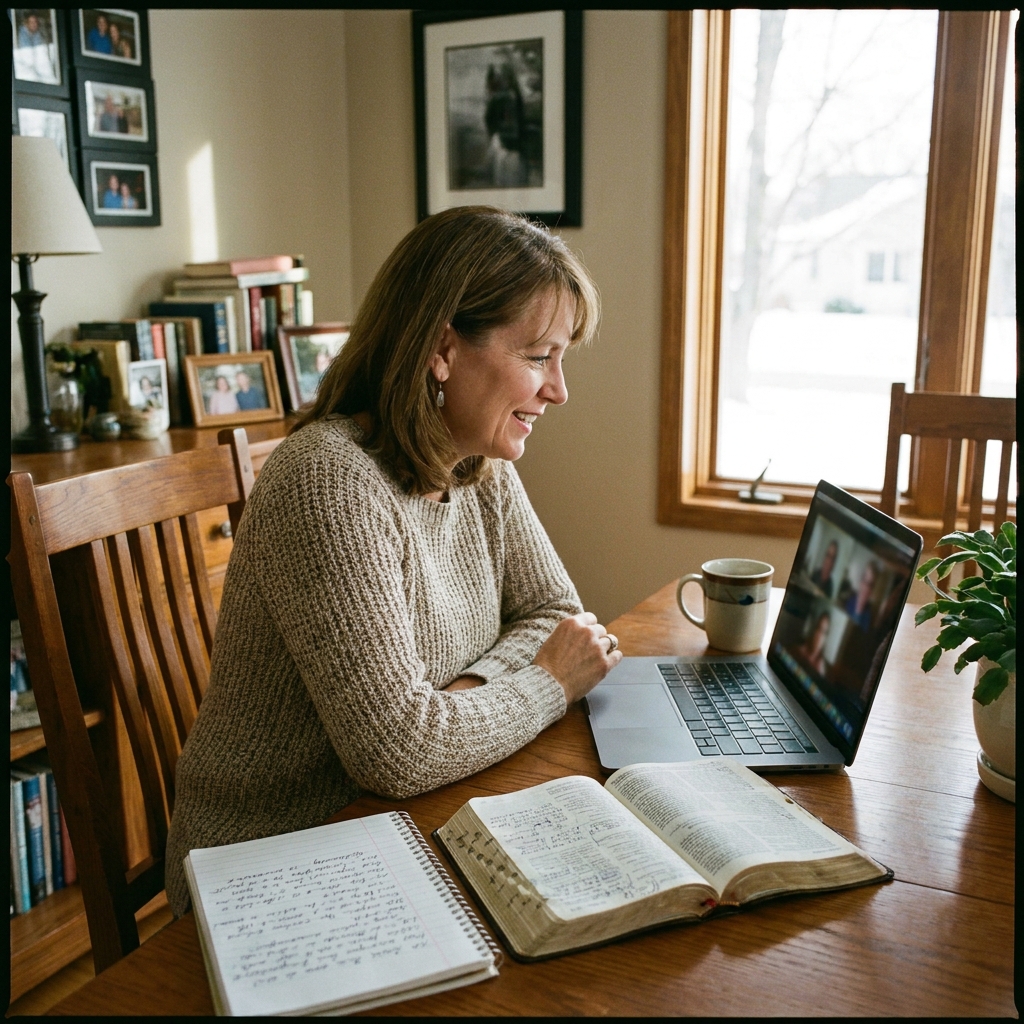
Pillar 2: Building a Thriving Digital Community
Beyond the scheduled Bible study, the true strength of a women's ministry lies in its community. Online presence allows for continuous connection and support.
Establishing Consistent Communication Channels
Effective communication is the lifeblood of any healthy community. This is where your church's communication strategy really matters:
- Email Newsletters: A dedicated email list for your women's ministry allows you to share updates, prayer requests, devotional content, and upcoming event invites. This is a primary channel for consistent connection. Consider using the strategies outlined in How to Build an Effective Email Strategy for Your Church.
- Text Messaging: For urgent updates, reminders, or quick encouragements, text messages are highly effective. They have high open rates and can be incredibly personal. Review Church Text Messaging Best Practices for Ministry Communication to ensure your approach is thoughtful and compliant.
- Dedicated Online Groups: These can be within your church management software, a private section of your website, or a carefully moderated social media group. These spaces allow for ongoing conversation, prayer requests, and resource sharing outside of live study times.
Cultivating a Culture of Care Online
The principles of pastoral care translate well to the digital space. It requires intentionality:
- Virtual Check-ins: Periodically reach out to individual members via email, text, or even a brief personal video message to see how they are doing.
- Prayer Chains or Requests: Create a system for women to share prayer requests and for the community to rally in prayer. This can be facilitated through a private messaging group or a dedicated prayer request form.
- Digital Mentorship: Encourage and facilitate older or wiser women to mentor younger women virtually. This could involve regular video calls or email correspondence.
- Recognition and Celebration: Acknowledge milestones, birthdays, and achievements within the group. Make people feel seen and valued, even when they are apart.
Creating Digital Service and Outreach Opportunities
Community isn't just about receiving. It's about giving. Think creatively about how your online women's ministry can serve others:
- Virtual Volunteer Coordination: Can your group organize a drive for a local charity using online signup sheets and virtual promotion?
- Digital Care Packages: Organize a way for members to send encouraging notes, small gifts, or resources to those in need within the church or local community.
- Online Witness: Equip women to share their faith and the impact of the ministry through safe and appropriate digital channels.

Pillar 3: Leadership and Volunteer Coordination
Online ministry works best when leaders know their roles and volunteers know what is expected. Digital tools can make this much easier.
Empowering Digital Leaders and Facilitators
Identify women with gifts in teaching, organization, and discernment who are also comfortable with technology. Provide them with the training they need:
- Platform Training: Ensure all leaders are proficient in the tools being used for Bible studies and communication.
- Online Facilitation Skills: Coaching on how to encourage participation, manage technical issues, and address sensitive topics respectfully in a virtual setting.
- Resource Sharing: Provide leaders with pre-prepared discussion questions, supplementary materials, and guidance on how to pace an online session.
Streamlining Volunteer Coordination Online
From planning events to managing small groups, digital tools can make volunteer management far more efficient:
- Online Signup Forms: Use forms to recruit volunteers for different roles, whether it is leading a breakout group, moderating a discussion forum, or assisting with communication.
- Shared Calendars or Project Management Tools: For larger initiatives, shared digital calendars and simple project management tools can keep everyone on the same page regarding tasks and deadlines.
- Regular Virtual Check-ins: Schedule consistent video calls with your leadership team to discuss strategy, address challenges, and build team cohesion.
Measuring and Adapting
As with all ministry efforts, it is important to regularly evaluate what is working and what can be improved. Pay attention to participation rates, collect feedback, and listen to the women in your ministry. That is how you keep improving your approach.
Gathering Feedback
- Simple Surveys: After a Bible study series or a period of online engagement, send out anonymous surveys to gather insights on what women found most valuable and areas for improvement.
- Informal Conversations: Encourage leaders to initiate one-on-one conversations with participants to gauge their experience.
- Open Forum Discussions: Occasionally hold an open discussion during a women's ministry gathering to solicit ideas and feedback directly.
Looking Ahead
The online world keeps changing, and ministry methods should change with it. By using technology thoughtfully and prayerfully, churches can open new ways for spiritual growth, community, and outreach for women. It's not about replacing personal connection. It is about making that connection easier to access for more people.
Building a strong online women's ministry takes dedication, clear thinking, and a collaborative spirit. The reward is a more connected, discipled, and supported group of women who are growing in faith and caring well for each other.
If your church wants a clearer plan for digital communication and online follow-up, you can find more practical resources at Red Letter Connect.