


Church weddings often create a communication gap. Couples are interested, families have questions, and the church office becomes the place where every detail has to be repeated by phone or email.
A clear wedding page does not replace pastoral care or a personal conversation. It simply gives couples enough information to understand the process before they reach out. That saves staff time, reduces confusion, and helps the church respond with more care when a couple is ready for the next step.
Define the page's job before writing it
A church wedding page has a different job than a venue sales page. The goal is not to make the church sound like an event hall. The goal is to explain how weddings work in the life of the church.
That means the page should answer practical questions while still reflecting the church's values. Couples need to know whether weddings are available to members, non-members, or both. They need to know who leads the process, what preparation is required, and how far in advance they should inquire. They also need a simple way to start the conversation.
When those basics are missing, people fill the gap with assumptions. Some assume the church is not available. Others assume the process is the same as renting a venue. A good page prevents both problems by setting expectations early.
This is closely connected to broader website clarity. If the rest of the site already helps visitors understand what to expect, a wedding page can follow the same pattern used in church website must-haves for new visitors: clear details, plain language, and an obvious next step.

Answer the questions couples will ask first
Most couples do not begin with policy questions. They begin with availability, cost, requirements, and whether the church feels like a fit. A useful page should meet those questions directly without sounding cold.
Start with the essentials:
- Who can request a wedding? Explain membership expectations, pastoral approval, or any local requirements.
- What spaces are available? Name the sanctuary, chapel, fellowship hall, or other spaces without turning the page into a photo gallery.
- What preparation is required? If premarital counseling, meetings, or classes are part of the process, say so early.
- How far ahead should couples inquire? Give a practical window so people do not wait until the last minute.
- What happens after the form is submitted? Tell them who will respond and when.
This section should be specific enough to reduce repeated calls, but not so detailed that it becomes hard to maintain. If fees, forms, or policies change often, summarize the process on the page and link to a downloadable document only if the team can keep it current.
Churches that already use FAQ content well can apply the same habit here. The strongest wedding pages often behave like focused FAQ pages, which is why the principles in using FAQ sections to remove hesitation also fit this topic.
Separate public information from private pastoral conversations
Not every wedding-related detail belongs on a public page. The page should explain the path, not handle every sensitive situation. That separation helps the church be clear without turning pastoral care into a web form.
Public information should include the inquiry process, general requirements, preparation steps, contact expectations, accessibility notes, and basic facility details. Private conversations should handle complex family situations, previous marriages, counseling needs, special requests, and final approval.
This separation protects both the couple and the staff. Couples get enough clarity to decide whether to reach out. Staff avoid long email threads that begin with missing basics. Pastors and ministry leaders still have room to guide the process personally.
Use language that is direct but warm. For example: "After you submit the inquiry form, our team will review the request and contact you about next steps. Some details are best handled in conversation, so final approval happens after a meeting with church leadership."
That sentence does three useful things. It explains what happens next, it sets a boundary, and it keeps the tone relational.
Build a simple inquiry flow
The form should be short. Long wedding forms often ask for details the church does not need until later. At the first step, the church usually needs enough information to understand the request and respond well.
A practical first-step form can ask for:
- Names of the couple
- Email and phone number
- Preferred wedding date or season
- Connection to the church
- Estimated guest count
- A short notes field
Avoid asking for every vendor detail, ceremony choice, or family contact at the inquiry stage. Those details can come after the initial conversation. The first form should reduce friction, not create a planning packet.
Once the form is submitted, the confirmation message matters. Do not leave couples wondering whether the request went through. A clear confirmation should say when they can expect a reply and what to prepare before the first conversation.
This is also where internal operations matter. If form submissions go to a general inbox that no one owns, the page will create frustration instead of clarity. Assign a staff member, define the response window, and review the flow regularly. A monthly website review, like the one described in a church website maintenance checklist, should include forms like this.
Keep the page useful for search without making it awkward
People search for church weddings in practical language. They may search for "church wedding," "chapel wedding," or "wedding ceremony at a church" along with a city or denomination. The page can speak to those searches without stuffing keywords into every sentence.
Use a plain page title such as "Weddings at [Church Name]" or "Church Wedding Ceremonies." Include the city or community naturally if local search matters. Add a concise meta description that explains the page clearly. Make sure the page is linked from the main navigation, ministries page, or contact page so people and search engines can find it.
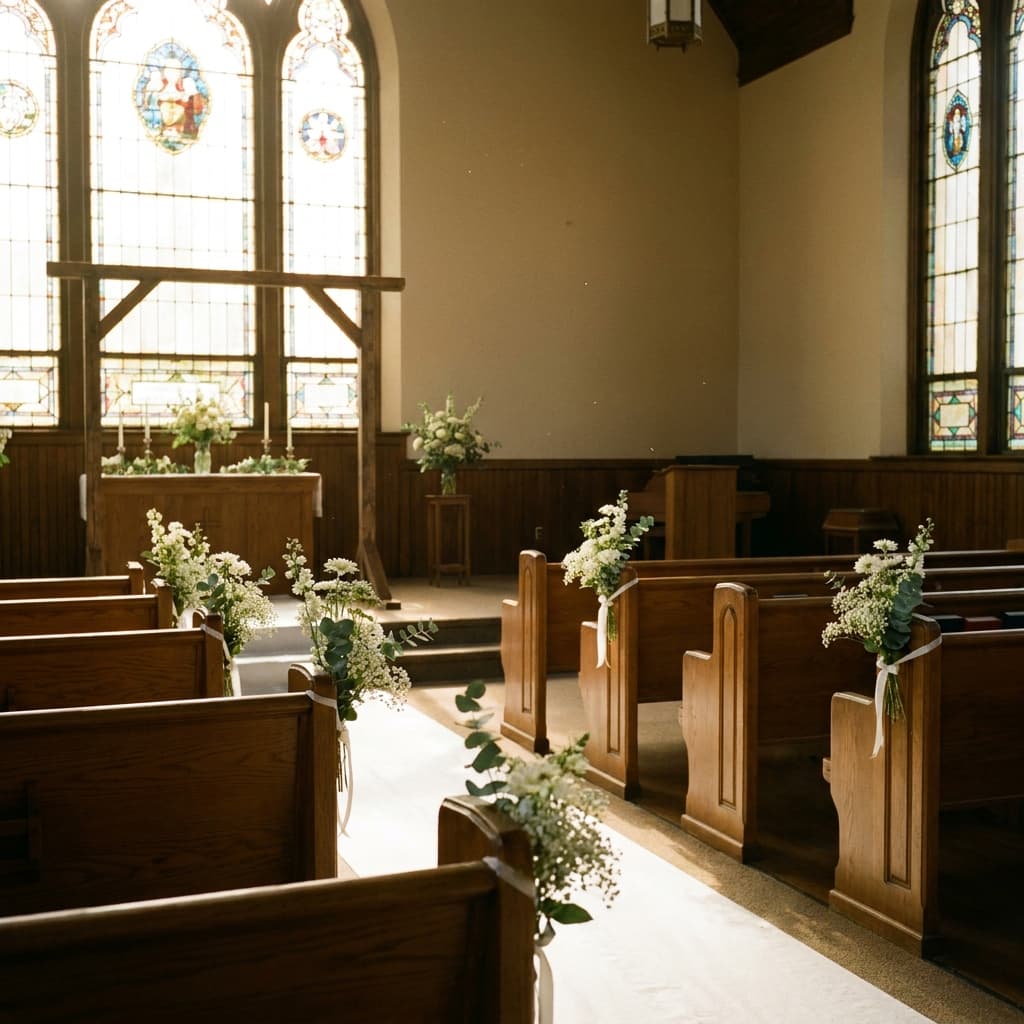
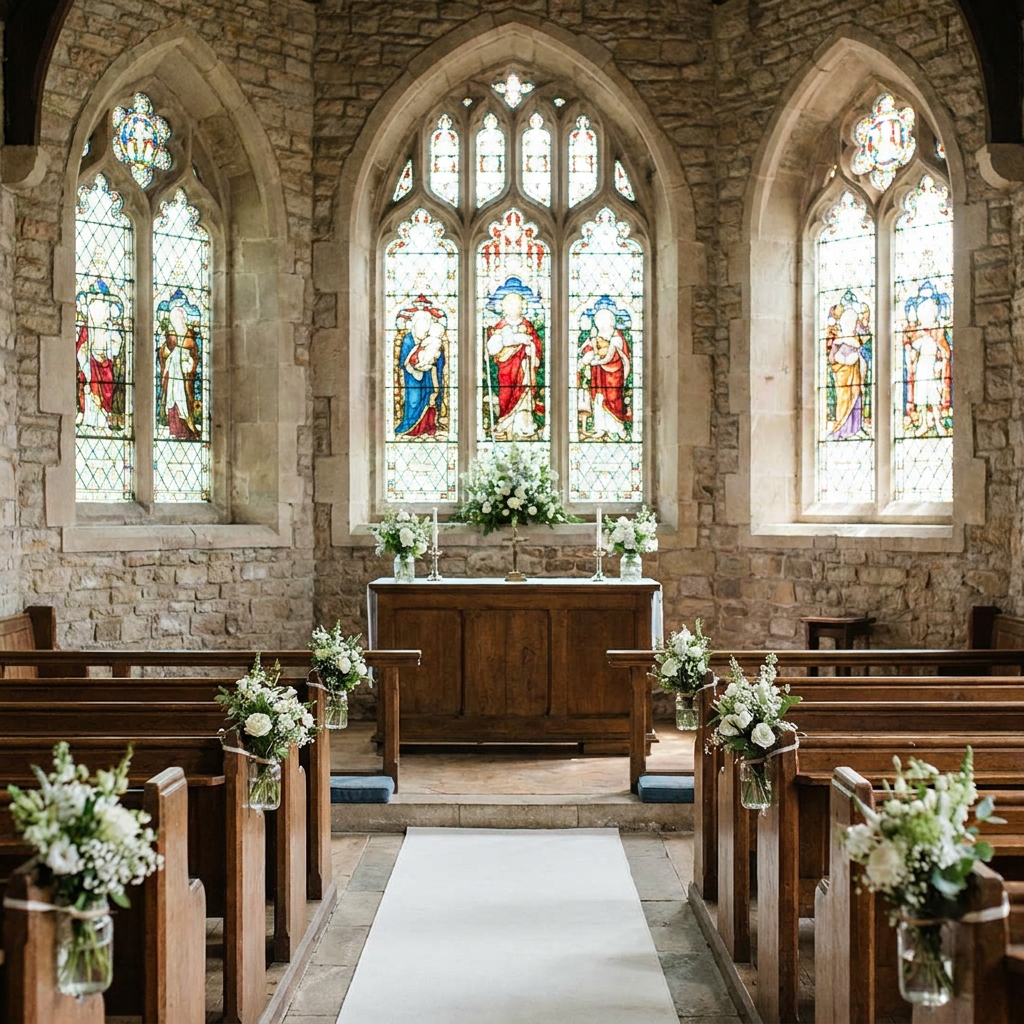
Images should support the page, not distract from it. A sanctuary photo, chapel photo, or simple preparation image is usually enough. Avoid giant galleries unless someone is responsible for keeping them current and representative.
Search visibility is only helpful if the page is accurate. If the church pauses weddings during a renovation, changes policy, or updates staff ownership, the page should change quickly. Outdated wedding information creates more work than no page at all.
Review the page like a couple would
Before publishing, ask someone outside the staff to read the page and answer three questions: Do you know who can request a wedding? Do you know what happens next? Do you know how to contact the church?
If the answer to any of those questions is no, the page needs another pass. Most wedding page problems are not design problems. They are clarity problems.
A strong church wedding page gives people enough information to take the first step with confidence. It protects staff time, makes expectations easier to understand, and keeps the church from answering the same basic questions over and over.
If your church needs clearer website paths for weddings, events, ministries, or first-time guests, Red Letter Connect can help organize the structure so people can find the right next step without getting stuck.