


Your website is your first hello
For many people, your church website is the first interaction they will ever have with your ministry. Before they hear a sermon or shake a hand, they are scanning your homepage and deciding whether they can picture themselves there. That moment matters. A clear, welcoming website reduces anxiety and helps people take the next step from online curiosity to in person attendance.
If this feels high pressure, good news. You do not need a perfect design. You need a clear digital welcome mat. Think simple, specific, and visitor focused.
What first-time visitors are really looking for
Most guests are trying to answer a short list of practical questions. What time are services? Where do I park? What should I wear? Is there kids ministry? What kind of church is this? If those answers are buried, people bounce. If those answers are obvious, people relax.
This is why strong church websites lead with clarity before creativity. Beautiful visuals help, but clarity converts.

Homepage must-haves for a stronger digital first impression
1) Service times and location above the fold
Do not make people hunt. Put your service times and address near the top of the homepage. On mobile, this should appear immediately without scrolling much.
2) A clear plan-your-visit path
Include a single obvious button like Plan Your Visit or I'm New. That page should explain what to expect from parking to kids check in.
3) Real photos that reflect your church
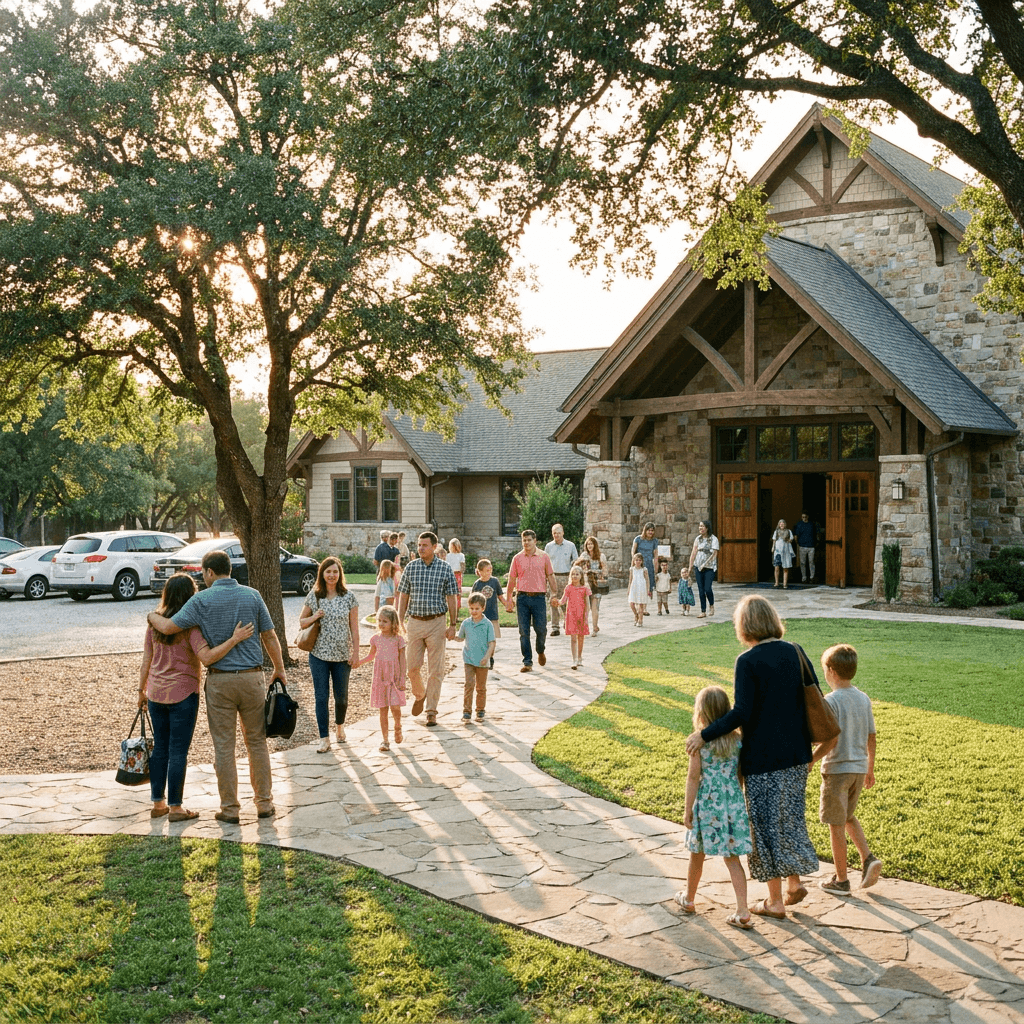
Stock photos can look polished, but they often weaken trust. Use real images of your people and spaces. Visitors are trying to picture Sunday morning, not a generic event center.
4) Mobile speed and readability
Most visitors discover churches on their phones. Keep pages fast, headings short, and buttons easy to tap. A slow mobile experience creates friction before a guest even arrives.
5) Next-step follow up options
Give new guests a low pressure way to connect. A short form, text option, or simple contact flow works.
Common friction points that quietly cost visits
Churches often lose potential guests because of small usability issues, not major strategy failures. Watch for these:
- Outdated event dates on the homepage
- Broken links or missing pages
- No clear difference between campuses or service options
- Long paragraphs with no scannable structure
- No direct invitation for first-time guests
Fixing these basics usually improves results quickly. It also supports your visibility work across search and local discovery.

A practical weekly website check for church teams
You do not need a full redesign to improve your digital welcome. Run a 15 minute weekly check:
- Open your homepage on mobile
- Find service times and location in under 5 seconds
- Click every main navigation link
- Complete your guest next-step flow yourself
- Update one outdated section before Sunday
Small, consistent updates beat occasional big overhauls. Over time, your website becomes a reliable front door for people who are searching for community and spiritual direction.
Final thought
Your church website does not need to impress everyone. It needs to help the right people feel confident enough to visit. Clarity, hospitality, and consistency are what move people from maybe to I'll be there this Sunday.
If you want a practical roadmap, start by auditing your homepage for first-time guest clarity and map one stronger next step this week.