

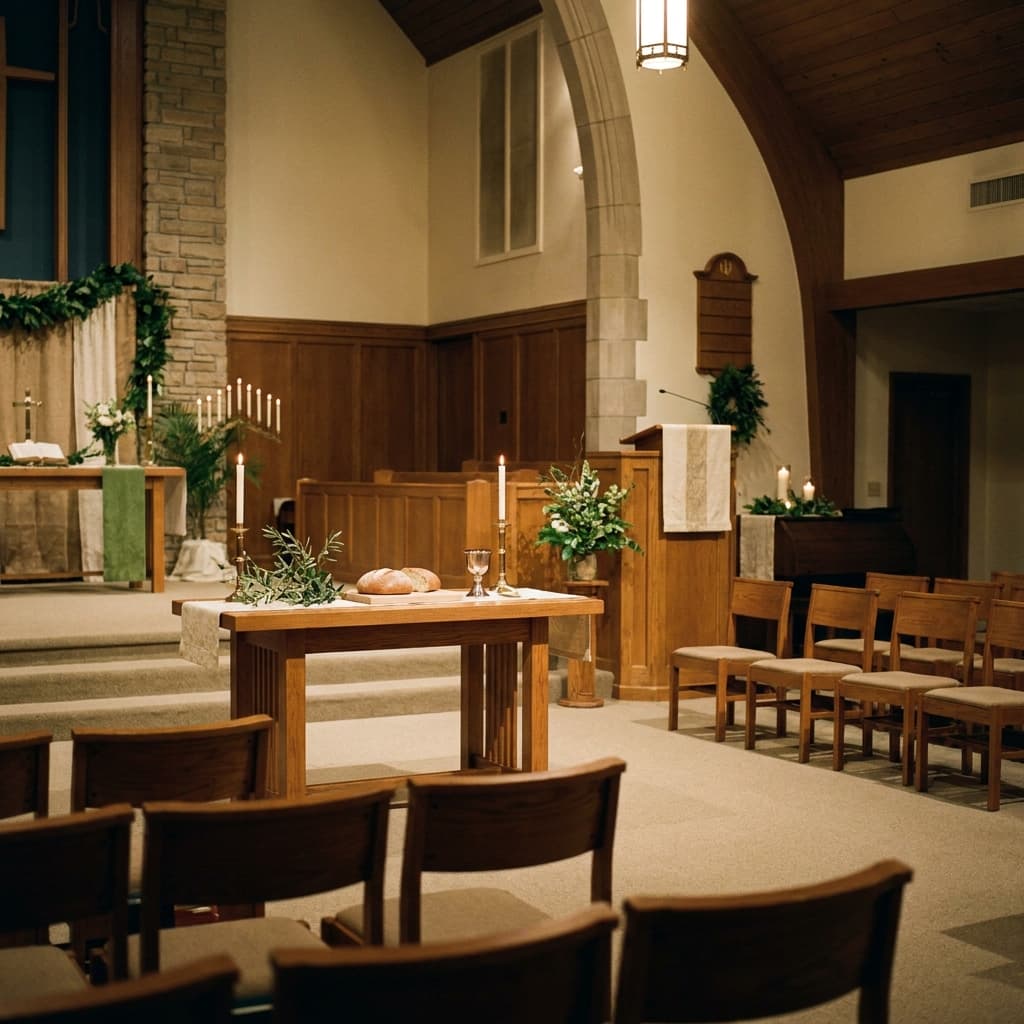
Maundy Thursday is familiar to many church members, but it can feel unclear to someone who is new, returning after years away, or visiting from a different tradition. A simple service page can remove that uncertainty before a guest ever walks through the door.
The goal is not to explain every detail of Holy Week. The goal is to answer the quiet questions people are already asking: What time is it? What will happen? Can I bring my kids? Will I feel out of place? When a church answers those questions clearly, the page becomes more than an announcement. It becomes a form of hospitality.
Start with the questions a first-time guest is too nervous to ask
Many church event pages are written for people who already know the rhythm of the church. They say "Maundy Thursday service at 7 PM" and assume the reader understands the rest. Long-time members may know where to park, how the service feels, whether childcare is offered, and what kind of clothing is normal. A guest does not.
That is why a strong Maundy Thursday page should begin with practical clarity. Put the date, time, location, parking details, and service length near the top. If the service includes communion, foot washing, reflective music, dim lighting, silence, readings, or a different format from Sunday morning, name that plainly. You do not have to overexplain it. A short sentence like "This is a reflective, quieter service that lasts about 60 minutes" can lower anxiety for someone who does not know what to expect.
This is the same principle behind a healthy church website. People need the next step to feel obvious. If your church has not reviewed its main visitor path in a while, the ideas in website must-haves that help new visitors show up also apply to seasonal service pages.
Explain the tone of the service before you explain the schedule
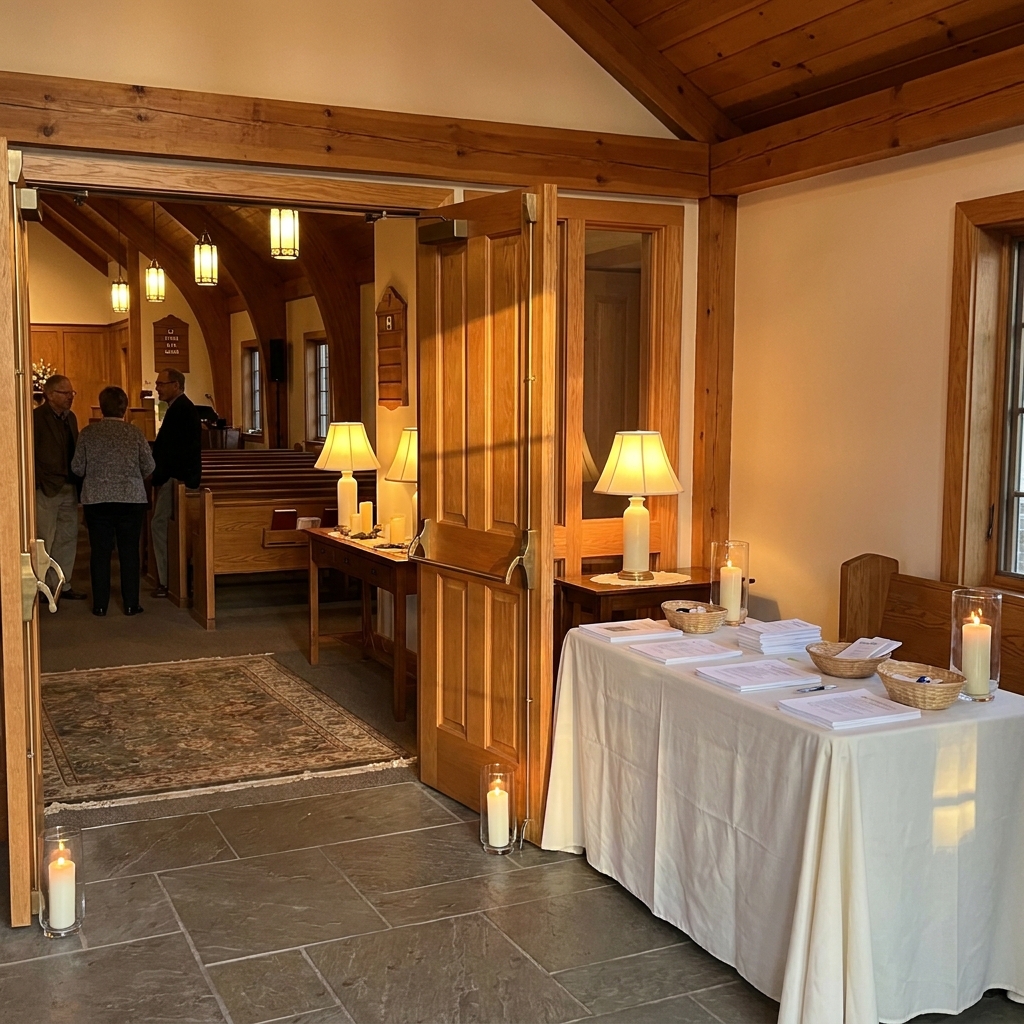
Maundy Thursday carries a different emotional weight than a normal weekly gathering. Depending on your tradition, the service may be quiet, somber, communal, intimate, or highly liturgical. Those details matter because they help people decide whether they can picture themselves attending.
A visitor may be wondering if the service is appropriate for children, if it will feel formal, or if they need to know certain responses or traditions. A clear page can say, "You are welcome even if you are new to this kind of service. We will guide you through each part." That one sentence can do a lot of work.
Try to describe the experience in human language instead of church shorthand. "Service of shadows" may be meaningful to your members, but a guest may not understand it. "A quiet service with Scripture readings, prayer, communion, and music as we remember the final evening before Good Friday" is easier to understand. You can still honor your tradition while writing in a way that serves people who are just learning it.
If the page includes a schedule, keep it brief. A guest usually does not need a full bulletin online. They need enough context to feel prepared. Share the main moments of the evening, but save the full order of service for the room.
Make family details easy to find
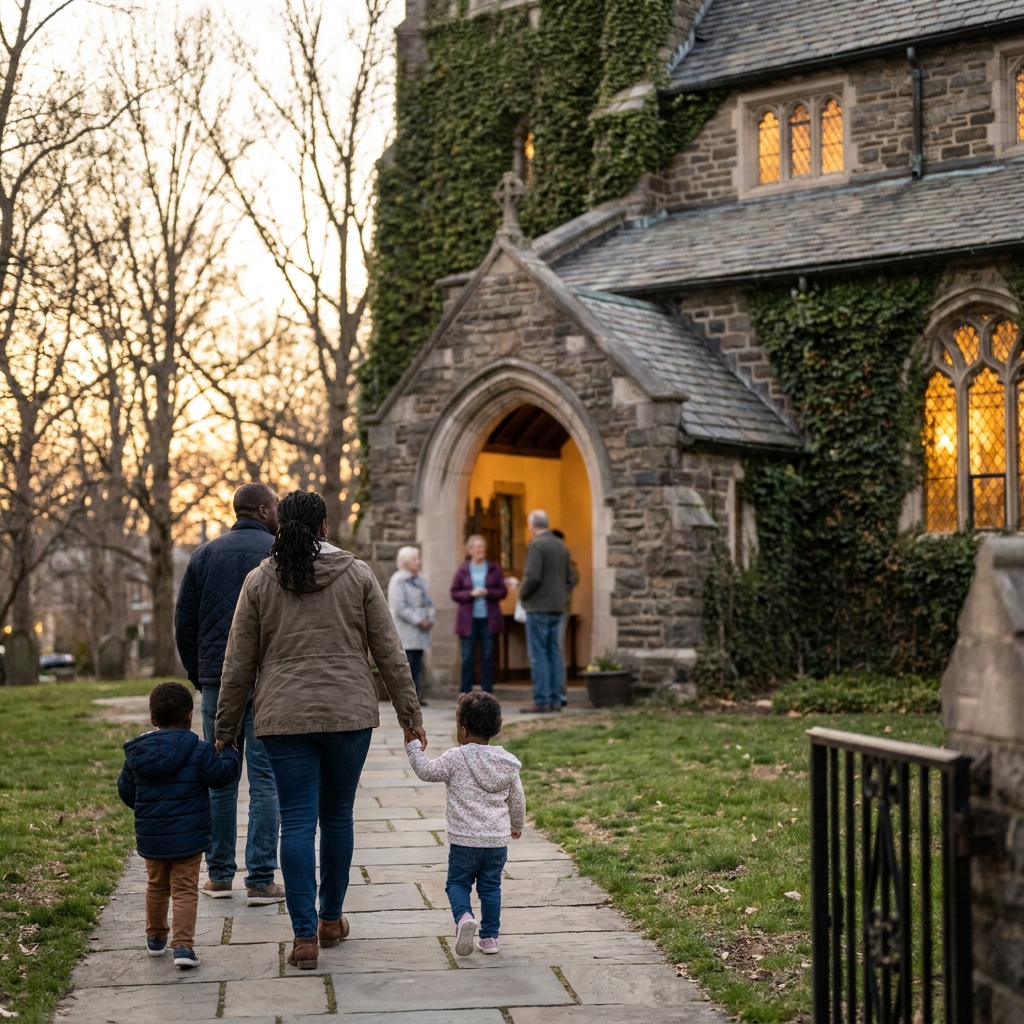
Parents often decide whether to attend based on practical questions, not interest. Is childcare available? Are kids expected to stay in the service? Will the room be dark? Is it okay if a child gets restless? Where do families check in? If the page does not answer those questions, many parents will assume the service is not for them.
You do not need a long policy section. A few direct lines are enough. For example: "Children are welcome in the service. Because the tone is quieter than Sunday morning, we will also have a family-friendly space available in the lobby." Or: "Childcare is available for infants through preschool. Elementary-aged children are welcome to sit with their families."
The key is to avoid making families hunt for the answer. Put the family note near the service details, not buried at the bottom. If registration is required for childcare, link directly to it. If no registration is needed, say so. Clear family communication also helps reduce the kind of last-minute uncertainty covered in reducing family event no-shows, because people are more likely to follow through when the plan feels settled.
Use the page as a bridge to the rest of Holy Week
Maundy Thursday usually does not stand alone. It often sits between Palm Sunday, Good Friday, Easter gatherings, prayer opportunities, and other church events. A good service page should help people understand that connection without overwhelming them.
Consider adding a short section titled "Other Holy Week gatherings" or "Planning your week?" List only the next most relevant services, with dates, times, and links. This helps members plan and gives guests a wider picture of your church's rhythm. It also keeps the page useful for people who arrive from search engines, social media, email, or a shared text message.
Seasonal pages work best when they act like a simple pathway. Someone may first search for a Maundy Thursday service, then decide to attend Good Friday, then come back on Easter, then look for a small group or children's ministry. The page should not try to carry the entire journey, but it should make the next step visible. If your church plans several seasonal touchpoints, the structure in a digital campaign timeline for Easter outreach can help your team think through how the pieces fit together.
Write for search, but do not sound like a search result
People may search phrases like "Maundy Thursday service near me," "Holy Week services," or "Thursday before Easter church service." It is wise to include the words people actually use, especially in the page title, headline, meta description, and first paragraph. Search clarity helps the right people find the page.
Still, the page should not read like a keyword list. A human is deciding whether to attend. Use plain headings, short paragraphs, and direct answers. Include your city or neighborhood, the church name, the service time, and a clear invitation. If the event has a unique tradition, explain it in one or two sentences.
Local search also depends on consistency. The page should match the details on your Google Business Profile, social posts, event listings, and email announcements. If one place says 6:30 PM and another says 7 PM, confusion will cost you trust. Before sharing the page, have one person check every public mention of the service for the same date, time, address, and childcare details.
Keep the call to action simple
A Maundy Thursday page does not need three buttons and five invitations. Too many choices can make a reflective service feel like a campaign. Most churches need one clear action: plan your visit, get directions, or let us know you are coming.
If registration is not required, "Get directions" may be the best button. If childcare or seating planning matters, "Let us know you are coming" may help. If your church has a full Holy Week page, "See all Holy Week services" may be the most helpful next step. Choose the action that removes the biggest barrier for the person reading.
One final detail matters: make sure the page still makes sense on a phone. Many people will open it from a text, a social post, or a search result while they are already busy. The time, address, parking note, family details, and main button should be easy to find without pinching, zooming, or scrolling through a long announcement.
A clear Maundy Thursday service page is not just better communication. It is a quieter kind of welcome. If your church is preparing seasonal service pages and wants a cleaner path for guests, Red Letter Connect can help you shape the digital steps around your ministry calendar.