


Most churches post one thing consistently: sermon clips. That is not wrong, it is just incomplete. Sermon content is valuable, but if every post is a clip, your feed starts to feel repetitive to regular attenders and confusing to first-time visitors.
A healthy church content strategy does two jobs at once. It helps your existing people stay connected during the week, and it helps new people quickly understand what your church is about. This guide gives you practical content ideas you can rotate so your feed stays clear, helpful, and human.
Why variety matters more than volume
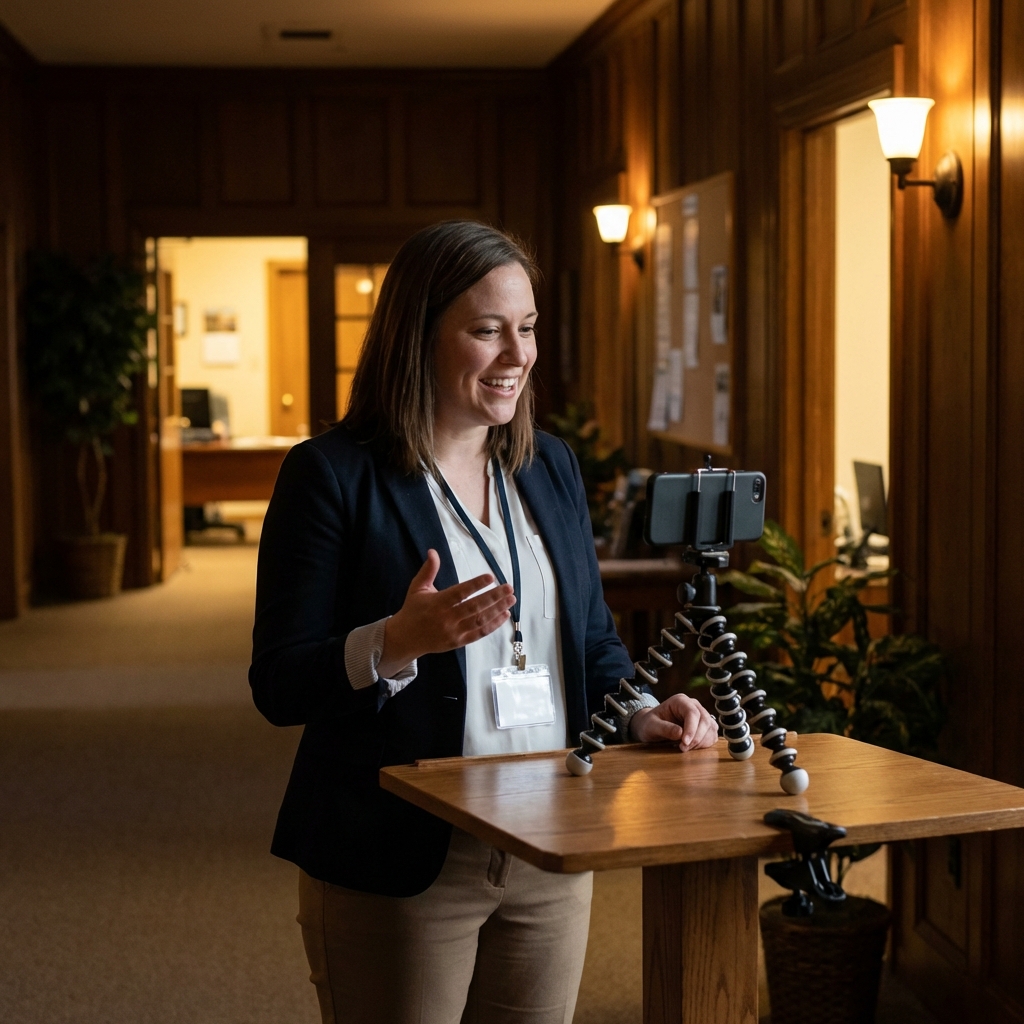
You do not need to post five times a day. You need a mix that answers real questions people have before they visit: What kind of church is this? Will I fit here? What happens on Sunday? How do I get connected? If your content only answers one of those questions, growth gets harder.
12 content ideas you can start this month
1) 30-second welcome from a real person
Have a pastor, volunteer, or greeter record a simple welcome. Keep it natural. No script-heavy language. Focus on what someone can expect this weekend.
2) "What to expect on Sunday" carousel
Use 4 to 6 slides: parking, kids check-in, service length, dress culture, and next steps. This removes anxiety for first-time guests.
3) Volunteer spotlight
Feature one person each week and why they serve. This shows culture better than polished branding ever could.
4) Ministry in action photos
Share moments from student ministry, outreach, small groups, and kids ministry, with context in the caption so people know why it matters.
5) FAQ post series
Turn common questions into short posts: "Do I need to bring anything?" "How do I join a group?" "What about my kids?"
6) Midweek encouragement
Not a sermon recap. One practical thought tied to everyday life, written in plain language.
7) Testimony snippet
Use short stories of life change. Keep consent and privacy standards clear. Authentic stories build trust quickly.
8) Event path post
For every event, explain who it is for, what the first step is, and what happens after someone signs up.
9) Team behind the scenes
Show rehearsal, setup, and prayer moments. This makes ministry feel accessible, not staged.
10) Local community highlights
Share wins from schools, nonprofits, and local partners you support. It signals that your church is for the city, not just the building.
11) Next-step explainer videos
Create short clips for baptism, groups, serving, and giving. Make each video answer one question clearly.
12) Monthly "best of" roundup
Summarize key moments from the month and point people to one clear next action.
A simple weekly content rhythm
Try this starter cadence: Monday testimony, Wednesday practical encouragement, Friday weekend invite, Sunday story or recap. Rotate formats each week so your audience does not tune out.
If your team is small, repurpose smartly. One testimony video can become a reel, quote graphic, story sequence, and email excerpt. The goal is consistency without burnout.
How to measure what is working
Do not measure success by views alone. Track saves, shares, comments, profile visits, and clicks to your website. Then connect those patterns to real ministry outcomes like first-time guest forms, group signups, and volunteer interest.
Common mistakes to avoid
- Posting announcements without context
- Using insider language visitors do not understand
- Ignoring comments and messages for days
- Publishing only from one voice and one format
- Asking for action without explaining the benefit
Start small, then scale
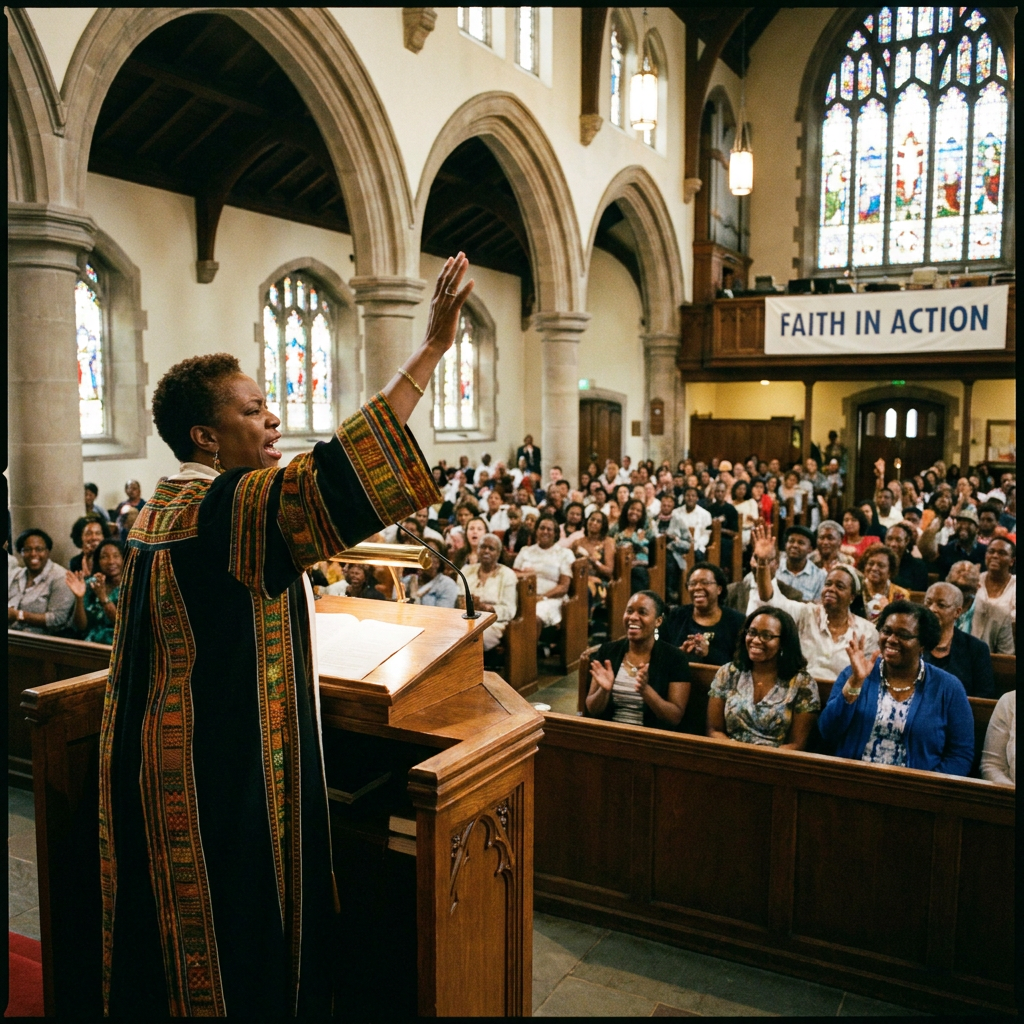

You do not need a full studio to create meaningful content. Start with three repeatable post types, assign clear owners, and run the plan for four weeks. Review performance, keep what works, and cut what does not.
Pick one idea from this list and try it this week. Keep it simple, keep it honest, and watch what conversations it opens with people who are still deciding whether to walk through your doors.