

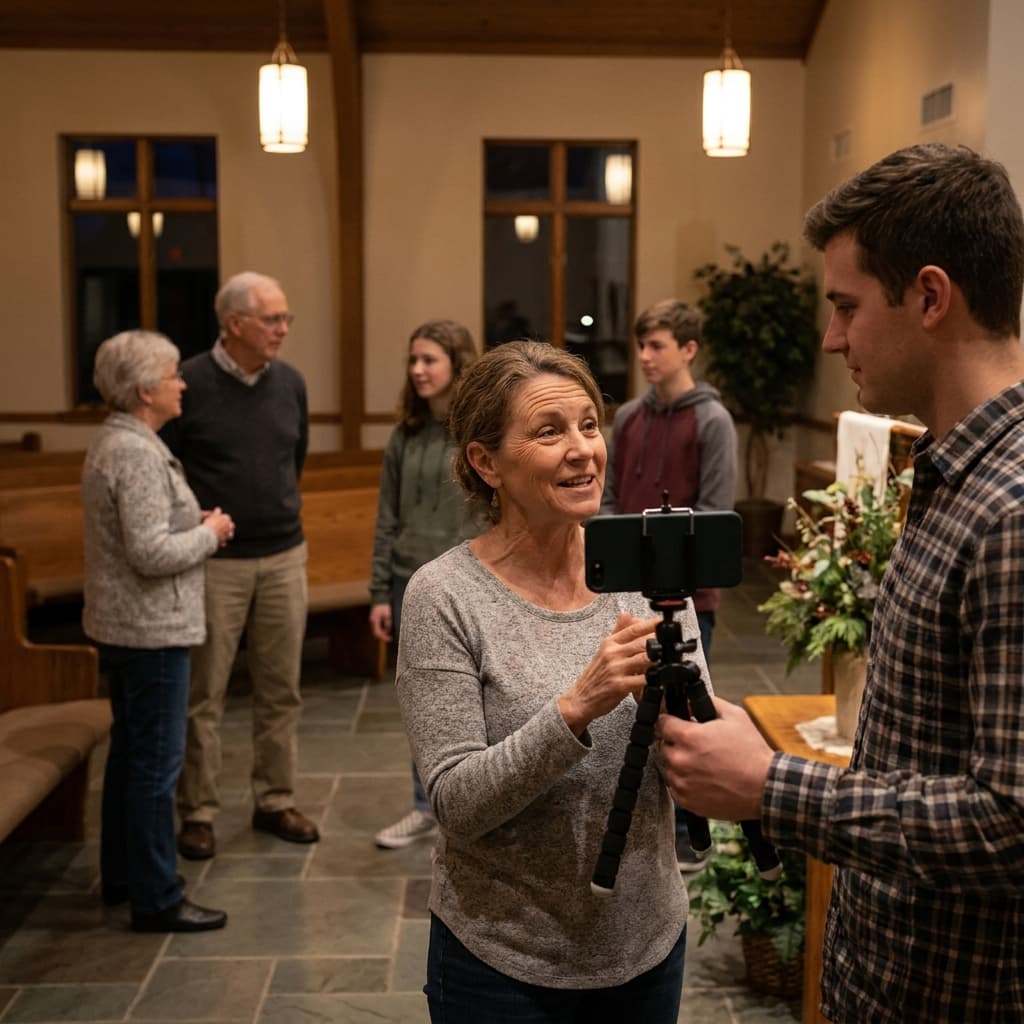
Social media is one of the first places someone looks before visiting a church for the first time. But for many churches, there is no consistent presence at all. And for the ones that are posting regularly, the content often lacks a clear connection to the journey a new person takes before they walk through your doors. Whether the challenge is getting started or getting strategic, the result is the same: people who might have visited never take that next step.
Church social media works best when it serves one clear mission: reduce uncertainty for new people and reinforce belonging for current attenders. That sounds simple, but it changes everything. Instead of asking, "What should we post this week?" ask, "What question is a new person asking this week, and how can we answer it clearly?"
Why engagement alone is not enough
Likes, comments, and shares are useful signals, but they are not the finish line. Healthy church social media strategy tracks movement, not just attention. You want to see people move from post to profile, from profile to website, from website to a plan-your-visit page, and then to an in-person next step.
If your content performs well but visitors do not increase, your bridge is broken somewhere between interest and action. This is why churches need social content designed around real next steps, not just inspiration.
The four content lanes that drive church growth
A simple way to structure your calendar is to rotate four content lanes every week.
1) Clarity content
Answer practical questions: where to park, what to wear, how kids check-in works, how long service lasts. These posts lower anxiety for people who have not been to church in a while.
2) Culture content
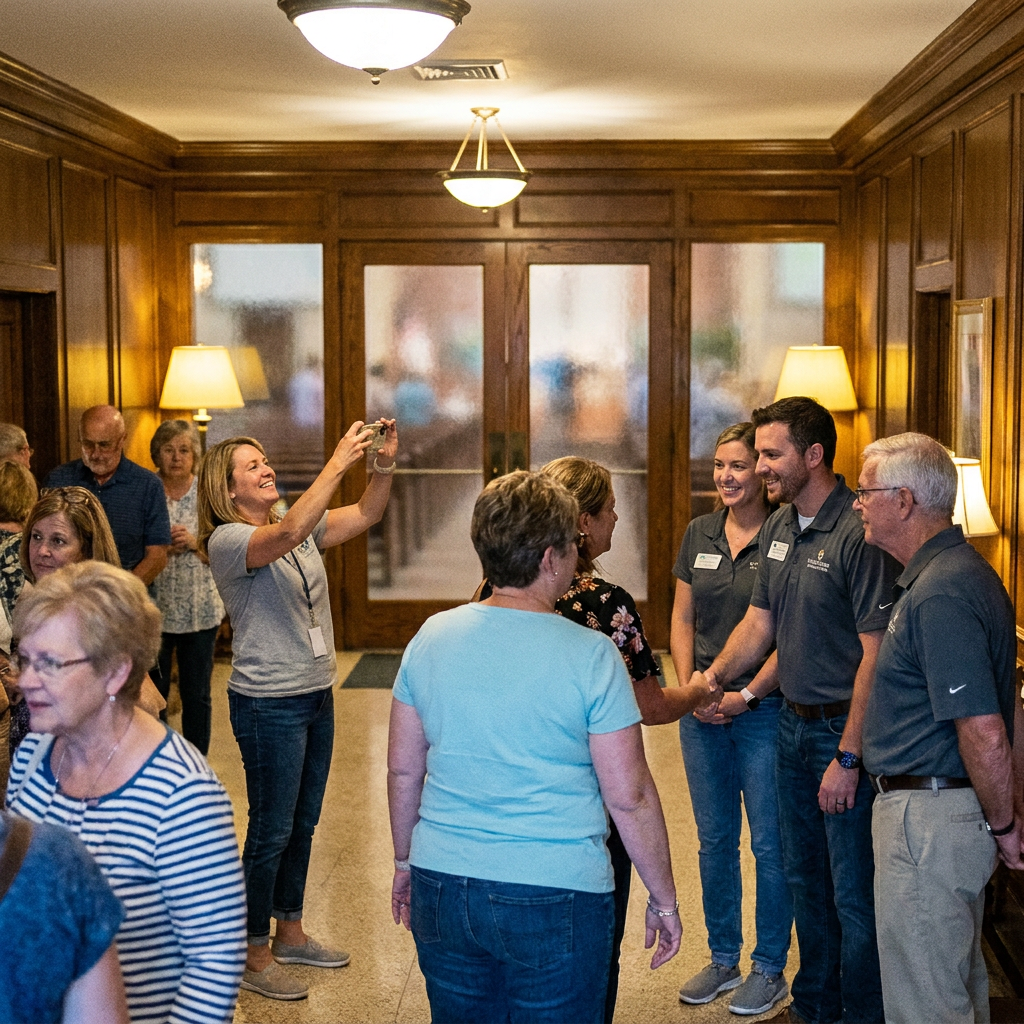
Show what your church feels like. Volunteer stories, short staff moments, and community highlights help people see your values in action.
3) Confidence content
Share testimony snippets and transformation stories with permission. People trust people more than polished messaging.
4) Conversion content
Invite people to one clear next step: plan a visit, join a group, attend an event, or ask for prayer. Keep each post focused on one action.
If this framework is new for your team, pair it with this post on building a strong presence across platforms so your foundation stays consistent.

Build a weekly rhythm your team can sustain
Most church teams do better with a simple rhythm than a complicated plan. Try this:
- Monday: testimony or story of impact
- Wednesday: practical discipleship or encouragement
- Friday: weekend invitation with one clear next step
- Sunday evening: recap moment that points to next week
This cadence keeps your feed balanced between discipleship and outreach. It also creates predictable expectations for your audience and your team.
What changed in 2026 that churches should pay attention to
Social algorithms are prioritizing authentic native content even more than polished graphics. Short, direct videos with a real person speaking to camera are outperforming overproduced clips in many local markets. Comment quality is also becoming a stronger distribution signal than raw reach.
For churches, this is good news. You do not need a studio. You need clarity, consistency, and quick response time in comments and messages.
Turn comments and DMs into real ministry touchpoints
A social strategy fails if engagement sits unanswered. Assign one person each day to monitor comments and messages, even for just 15 to 20 minutes. Fast, warm replies create trust quickly.
Use a simple response playbook:
- Acknowledge the question
- Give a direct answer in plain language
- Offer a next step with a link when needed
- Invite continued conversation
This process helps people feel seen, which often matters more than perfect copy. For a comprehensive approach to managing your church's online presence, consider professional Church Social Media Management.
Connect social media to your website experience
Your social feed introduces people. Your website helps them decide. Every major post should support a page that removes friction and answers next-step questions. If your handoff from social to site is weak, review why your church website matters more than you think and tighten your visitor journey. If you're looking for assistance with your online presence, our Church Website Design Services can help.
Metrics that matter for growth
Track these monthly:
- Profile visits from posts
- Website clicks from social
- Plan-your-visit form submissions
- First-time guest check-ins tied to digital touchpoints
- DM response time
These metrics connect social activity to ministry outcomes. They also make team decisions clearer when deciding what to repeat or cut.
Common strategy mistakes to avoid
- Posting announcements with no context or call to action
- Using insider language that new people do not understand
- Inconsistent publishing caused by overcomplicated workflows
- Ignoring follow-up after someone comments or messages
- Measuring success only by views
Start with one 30-day sprint
You do not need to rebuild everything at once. Run a 30-day sprint with the four content lanes, one weekly rhythm, and one measurement dashboard. Review results at the end of the month, keep the pieces that moved people toward real connection, and simplify the rest.
If your church wants social media to support real growth, focus on clarity over cleverness and consistency over complexity. The goal is not to go viral. The goal is to help real people take one faithful next step.
If you want help mapping your church's specific next-step journey from social post to Sunday visit, Red Letter Connect can help you build a practical plan your team can actually run each week.