


The shift from streaming to real engagement
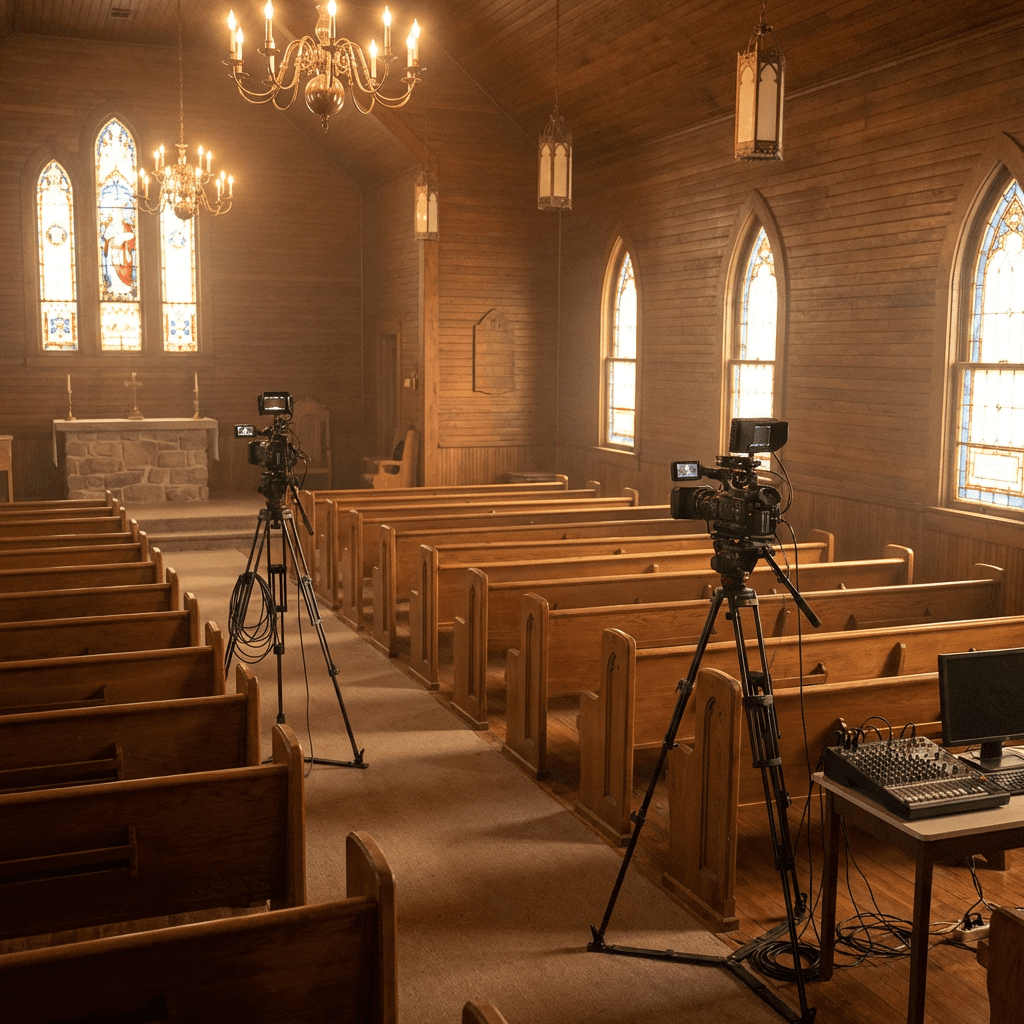
Livestreaming helped churches stay connected during the pandemic. Now most churches have a camera, a streaming setup, and a consistent online service. The next challenge is turning those broadcasts into meaningful engagement for people who may never walk into the building on Sunday.
Online engagement is not about production quality alone. It is about creating a sense of belonging and helping people take small, clear steps toward community. The good news is many churches already have the pieces. They simply need a strategy that connects them.
This guide focuses on practical steps any church can take to build a more engaged online congregation in 2026.
Define who your online congregation is
Not everyone watching online is the same. Some are homebound members. Some are curious visitors. Some are travelers checking out the church. Others are seeking community without a geographic connection. If you do not know who you are serving, it is hard to serve them well.
Start by naming two or three audience groups you consistently see online. Then map what each group needs most. Homebound members may want connection and prayer. Curious visitors may want clarity about next steps. Remote participants may want ways to serve and belong digitally.
Clarify your online identity
Online guests decide quickly whether a church feels welcoming. Make sure your livestream landing page and social profiles answer basic questions at a glance: service times, location, denomination, and what a new guest should expect.
Use a consistent name and logo across platforms. Keep a short, friendly description that matches your website. When people see the same information everywhere, trust grows faster.
Make your stream easy to access
Engagement drops when the stream is hard to find or glitchy. Keep the path simple:
- Use one primary streaming link and keep it consistent each week
- Post that link in your website header and social bios
- Start the stream early with a countdown so people can settle in
- Keep the audio clear and the camera steady, even if the setup is basic
A smooth experience removes friction for first‑time viewers and helps regular attendees stay engaged. For a seamless and engaging experience for all visitors, our Church Website Design Services can help create a professional online presence.
Give online guests a clear next step
In‑person guests typically have a greeter and a next step. Online guests often do not. Add a single, simple next step in each service and each stream description. Examples include:
- Fill out a short online connection card
- Join a virtual newcomers gathering
- Request prayer
- Join a short weekly email update
Make the link short and consistent.
Design the service for online participation
Many churches stream the room without changing anything. That approach works for members who are already connected, but it leaves new viewers passive. Small adjustments can help online worship feel participatory:
- Have a host welcome online viewers at the start and tell them what to do next
- Invite responses in the chat during prayer or reflection moments
- Call out an online discussion question after the message
- Share a clear way to reach a pastor or care team
People engage when they are invited into the moment. To further enhance your church's social media efforts and connect with your community, consider our specialized Church Social Media Management services.
Build a consistent midweek connection rhythm
Online community does not form from one Sunday stream. It grows through small, consistent touchpoints during the week. Consider a simple rhythm that includes:
- A Monday or Tuesday recap with key takeaways and a short clip
- A midweek prayer prompt and response form
- A short video update from a pastor or ministry leader
This does not require a big team. It requires consistency.
Improve accessibility and clarity
Accessibility is a quiet engagement booster. Add simple elements that help people stay connected even if they are in a noisy home or have hearing challenges:
- Turn on captions or add a transcript when possible
- Use clear, readable on‑screen lyrics or slides
- Keep lighting bright enough to see faces
These changes are not flashy, but they make the experience easier to follow. That translates into longer watch times and more participation.
Create spaces for two‑way conversation
Streaming is one‑way. Community is two‑way. Create spaces where online attendees can talk, ask questions, and feel known. Options include:
- Monthly online meetups for newcomers
- Small group options that meet on video
- Private Facebook groups for online members
- Live Q&A sessions after the sermon series
Start with one space and grow from there. The goal is not to replace in‑person community. It is to provide a real community for those who need it.
Train a digital hospitality team
Your online community needs people. A digital hospitality team can welcome guests, answer questions, and follow up during the week. This can be a small group of volunteers who rotate each week.
Provide simple scripts and clear expectations. Give them the authority to follow up with questions, request prayer, and invite people to next steps. When online guests feel seen, they are far more likely to return.
Follow up quickly and personally
Online guests are most open in the first 24 hours. Send a short, personal follow‑up that thanks them for joining and offers one next step. Avoid long forms or multiple options. A simple reply with a warm invitation is enough to keep the relationship moving.
Use short clips to keep the conversation going
Short clips from the sermon or worship set are one of the best ways to nurture engagement. They help people remember the message and provide a reason to share it. A good clip can also reach new viewers who were not in the stream.
Look for moments that stand alone, deliver a clear point, or answer a common question. Then post them during the week with a simple question to invite responses.
Measure what matters
Views are easy to track, but they are not the whole story. Measure a few indicators of actual engagement:
- Connection card completions
- Prayer requests submitted
- Responses in chat or comments
- New participants in online groups
When you track actions instead of views, you can see if people are taking steps toward community.
Build a simple digital discipleship pathway
Online engagement should lead to growth, not just attendance. Create a pathway that helps people move from watching to participating. A simple version might look like:
- Week 1: Connection card and welcome email
- Week 2: Invitation to an online newcomers gathering
- Week 3: Intro to small groups or serving opportunities
- Week 4: Invitation to attend in person if possible
Keep it simple. The goal is consistency and clarity, not complexity.
Common pitfalls to avoid
- Assuming online viewers will naturally feel connected
- Posting content without a clear next step
- Going silent midweek
- Neglecting follow‑up with online guests
These are easy to fix. The moment you treat the online congregation like real people and not just an audience, engagement improves.
Ready to strengthen online engagement?
If you want a simple plan to improve online connection and follow‑up, you can request a free digital checkup here: https://redletterconnect.com/get-your-free-audit.