



The Changing Landscape of Church Communication
For generations, the church bulletin reigned supreme. A printed program, passed out on Sunday mornings, was the primary source of information for congregations. Today, however, that bulletin-centric model often falls short. In an increasingly digital world, people expect instant access to information, personalized communication, and engaging content through various channels.
Modern church communication isn't just about sharing announcements; it's about creating real connections and building community throughout the week. It's about meeting people where they are, whether that's on social media, in their inbox, or through a dedicated church app. As you think about how your church communicates, consider whether your current tools are truly engaging your congregation or simply broadcasting information into the void. The goal is connection, not just delivery.
Beyond the Bulletin: Modern Tools for Deeper Engagement
Stepping into the future of church communication means embracing a varied toolkit. This isn't about ditching everything familiar but rather adding digital solutions that boost connection. Here are some modern tools that can help your church connect more deeply:
1. Effective Email Marketing Platforms
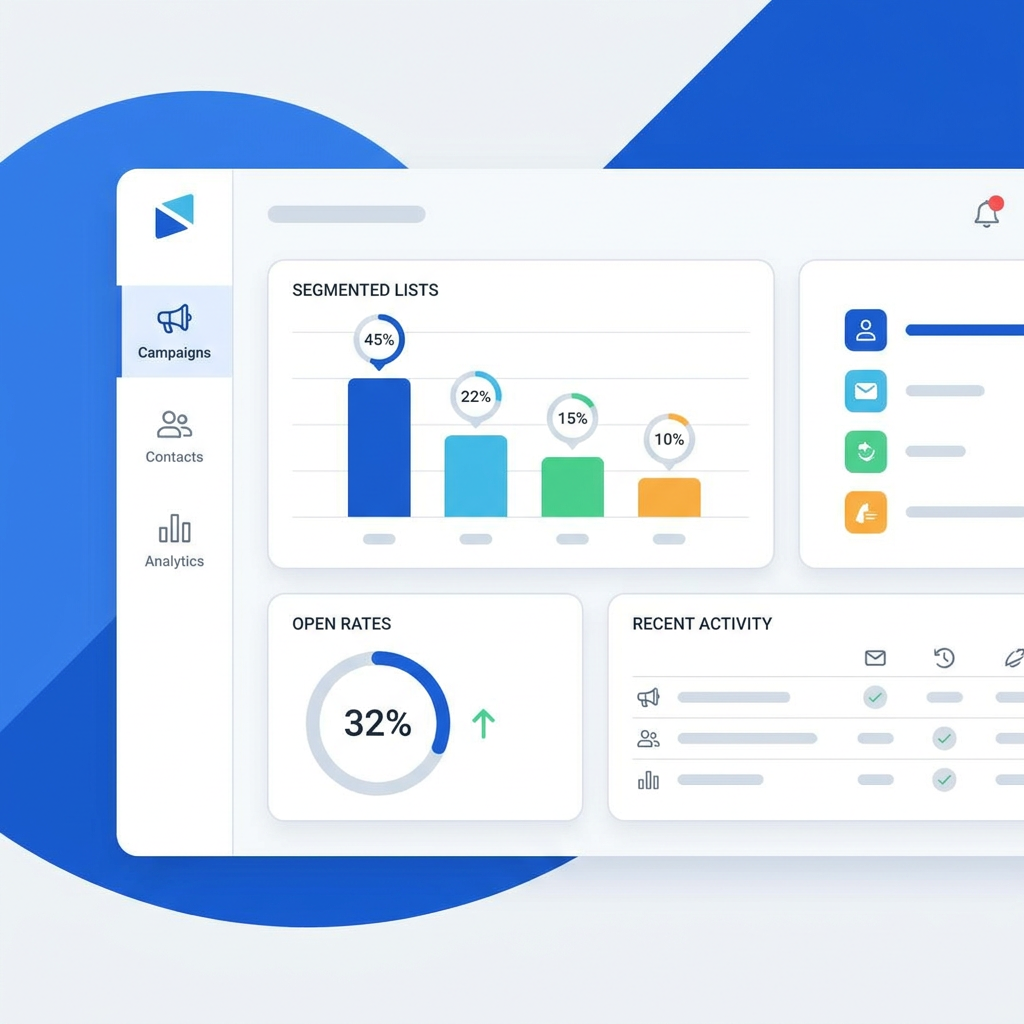
Email is far from dead; it's a powerful tool for direct communication. Beyond sending weekly newsletters, modern email platforms allow for segmentation, automation, and personalization. Imagine sending a tailored welcome series to new visitors, or specific updates to small group leaders. This level of intentionality makes members feel seen and valued, reducing information overload and increasing the likelihood of engagement.

2. Active Social Media Presence
Social media is where many of your congregation members and potential visitors spend a significant portion of their time. An active social media presence isn't just about posting service times; it's about sharing stories, snippets of sermons, prayer requests, and creating two-way conversations. Each platform offers unique ways to connect, from the visual storytelling of Instagram to the community-building potential of Facebook Groups. Understanding how to use each platform well is key to broadening your reach and creating a lively online community. For comprehensive assistance, consider our Church Social Media Management services.
3. Dedicated Church Mobile Apps
For many, their smartphone is their constant companion. A dedicated church app can be a central hub for everything from sermons and event calendars to giving and prayer requests. It provides a convenient, branded space for your congregation to interact with your church throughout the week. Push notifications can deliver timely updates, and in-app messaging can facilitate small group communication. This tool offers great convenience and integrates into daily life.
Making the Shift: Practical Steps for Your Church
Adopting new communication tools doesn't have to be overwhelming. Start small, experiment, and focus on consistency. Here's a practical roadmap:
1. Assess Your Current Communication Ecosystem
What's working? What's not? Talk to your congregation. What channels do they use most? Where do they feel disconnected? Understanding your starting point is important before making changes. Don't assume; ask!
2. Prioritize Based on Your Church's Needs
You don't need to implement everything at once. Perhaps email automation offers the biggest immediate return for your welcome process. Or maybe a stronger social media presence will better reach a younger demographic. Identify 1-2 areas where digital tools can significantly improve existing efforts.
3. Train Your Team and Empower Volunteers
New tools require new skills. Invest in training your staff and empowering volunteers who are passionate about communication. Technology often comes more naturally to younger generations, so don't be afraid to solicit their expertise and give them ownership over certain platforms.
4. Integrate with Digital Follow-Up Strategies
Collecting an email address or a social media follow isn't the end goal; it's the beginning of a relationship. Use your new communication channels to implement thoughtful digital follow-up for new visitors and engaged members alike.
Embrace the Future of Connection
The essence of church communication remains unchanged: to connect people with Christ and with each other. What has changed are the tools at our disposal. By thoughtfully integrating modern communication strategies, your church can move beyond the bulletin to create a lively, engaged community that thrives both online and offline. Ready to transform your church's communication strategy and foster deeper connections? Explore our digital marketing services to see how we can help. We also offer specialized Church Website Design Services to ensure your online presence is impactful and effective.