


Most churches post online every week, but many still feel like they are speaking into the wind. A sermon clip goes up, a few members like it, and then the post fades. The issue is rarely effort. The issue is culture. Digital evangelism grows when it becomes a shared ministry rhythm, not a task owned by one staff member.
If your team wants to see more first-time guests, more meaningful online conversations, and better follow-up from digital touchpoints, start by treating digital outreach like discipleship work. Below is a practical framework for building that culture without burning out your staff or volunteers.
Why posting more content is not enough
Many churches assume the answer is volume. More posts, more clips, more graphics. Volume can help, but only when it is connected to purpose. People online are not searching for polished church marketing. They are searching for hope, clarity, belonging, and answers to questions they do not always ask out loud.
That is why a strong digital ministry begins with intent. Before your team hits publish, ask one question: what change are we hoping this post creates in a person this week? Maybe it lowers fear about visiting for the first time. Maybe it helps someone who missed Sunday still feel connected. Maybe it gives a member the confidence to share a message with a friend who is going through a hard season. When intent is clear, content gets simpler and stronger.
It also helps to remember that digital touchpoints often become the first front door. Many people will quietly check your church online before they ever step into the parking lot. If you have not revisited your first-impression paths recently, this guide on website foundations can help: this guide on church website assessment.
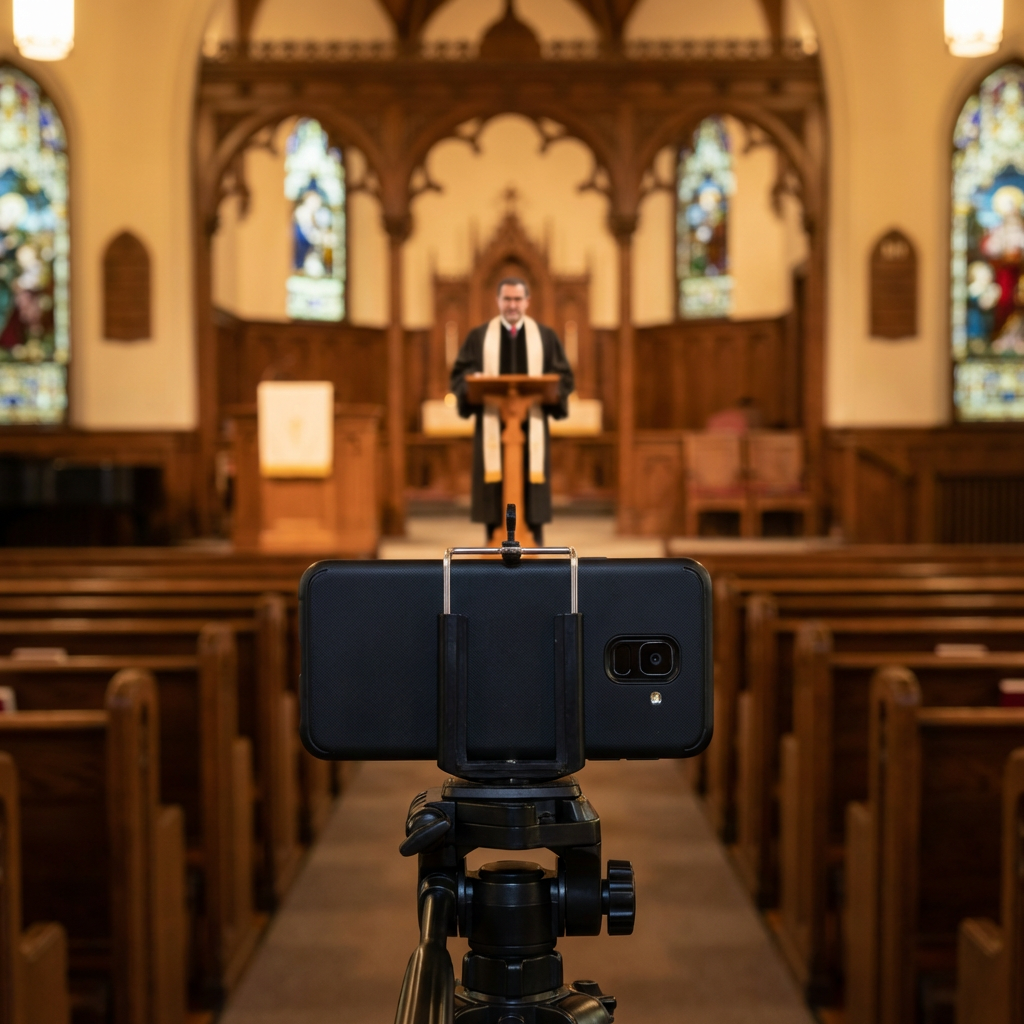
Build a simple theology of digital presence for your team
Church teams move faster when they share language. If digital ministry feels like "extra work," it will always sit at the edge of your strategy. If it is framed as hospitality and witness, people approach it differently.
A practical way to teach this is through three ideas your staff and volunteers can remember:
- Presence: We show up consistently where people already spend time.
- Pastoral care: We respond to real questions with warmth, clarity, and patience.
- Pathway: We help people move from passive viewing to real community.
None of this requires complex language. In fact, plain language works better. During volunteer training, you can say: "Our online channels are part of how we welcome people, care for people, and invite people." That sentence gives your team a shared north star.
This framing also keeps your team from chasing vanity metrics. A post with modest reach may still be deeply valuable if it led one hesitant person to message your church, ask for prayer, or plan a first visit. Faithfulness and fruit are both worth tracking, but they are not always identical week to week.
Create a volunteer engine, not a staff bottleneck
One communications person cannot carry digital evangelism alone. Healthy churches recruit and coach contributors with different gifts. Some are good at writing captions. Others notice stories in the congregation. Others can capture candid photo and video moments that make your church feel approachable.
Start with a small digital volunteer team and clear roles:
- Story spotter: Identifies testimonies, ministry moments, and real-life wins each week.
- Content collector: Captures short clips and photos during services and events.
- Community responder: Replies to comments and messages using agreed voice guidelines.
- Publisher: Handles scheduling and final checks for links, tags, and timing.
Keep role descriptions short and practical. Volunteers stay engaged when they know exactly what "done" looks like. For example, a content collector can have one weekly goal: capture five usable moments on Sunday and upload by 3 PM.
Consistency improves when you batch work. Instead of scrambling daily, hold a weekly 30-minute planning huddle. Review church calendar moments, identify one core message for the week, and decide what formats you will use. If your team needs a clearer communication rhythm, this article on church email systems is a useful companion: this article on church email systems.
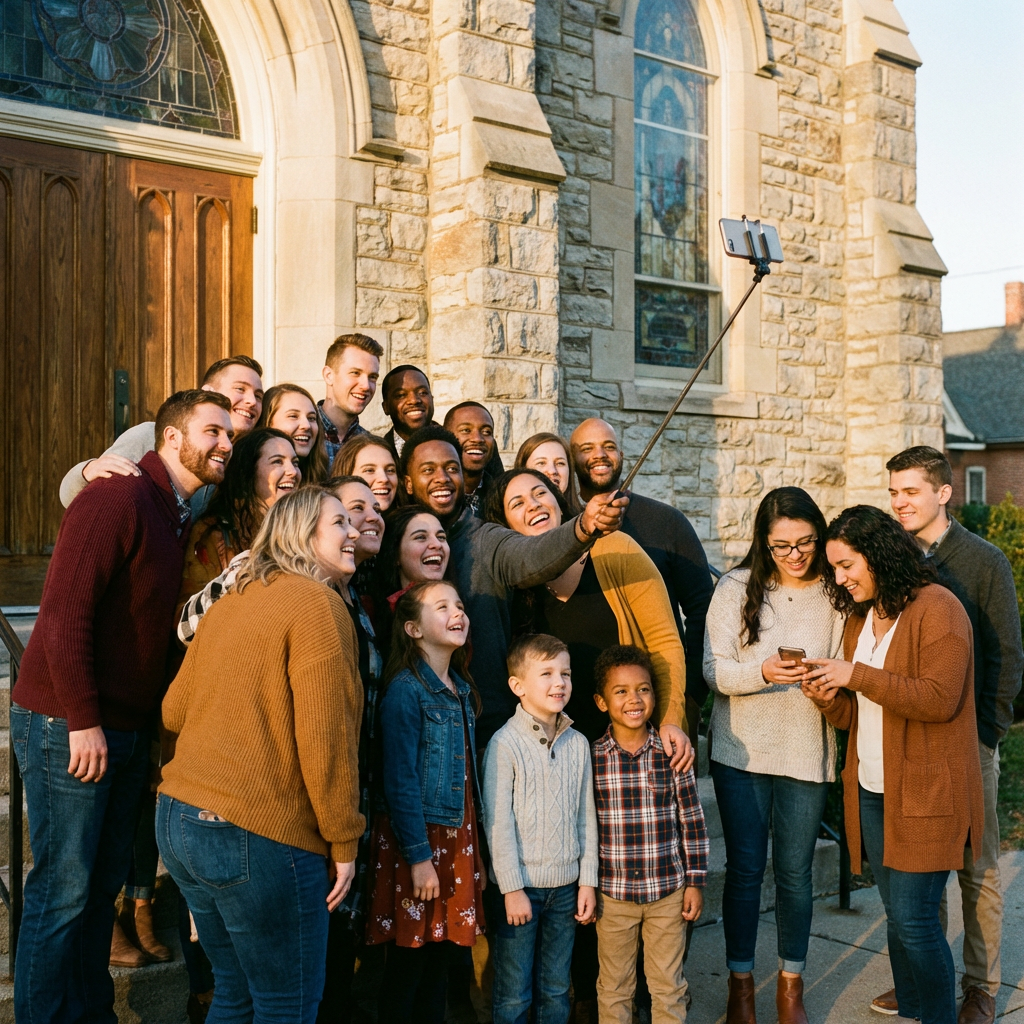
Design content people can share with confidence
Church members are often willing to share, but they hesitate if content feels too "inside baseball." Posts travel farther when they are understandable to someone who has never attended your church.
Use a simple sharing filter before posting:
- Would a friend outside church culture understand this in five seconds?
- Does this post sound invitational rather than insider-only?
- Is there one clear next step for someone who is curious?
In practical terms, this means avoiding unexplained acronyms, reducing church jargon, and writing captions that answer real human questions. A clip titled "Week 3 of our series" may make sense to members, but it does not help a new person. A caption like "Feeling stuck in anxiety this week? Here is a two-minute encouragement from Sunday" meets people where they are.
Short-form video can be especially strong for this kind of invitational content when the message is specific and relatable. If your team wants examples of what works, review this playbook: this short-form video playbook.
As you build, keep visual quality steady but not overproduced. Authentic moments tend to outperform content that feels scripted. People trust what feels real. To ensure your church is easily found by those searching locally, consider optimizing your Google Business Profile for Churches.
Turn engagement into pastoral pathways
Digital evangelism is not only about publishing. It is about what happens after someone engages. A comment, a direct message, or a link click is often a soft signal of spiritual openness. Churches that respond well create clear pathways from online interest to in-person connection.
Map your first-response flow ahead of time:
- Who answers direct messages during weekdays and weekends?
- How quickly should new inquiries receive a response?
- What tone and language reflect your church's pastoral voice?
- Where should people be guided next (plan-a-visit page, prayer form, newcomer event)?
Then make handoffs visible. If someone asks for prayer online, there should be a clear bridge to pastoral care. If someone says they are planning to visit, your hospitality team should be ready to welcome them by name when possible. Digital touchpoints become meaningful when they lead into embodied community.
It is also wise to review your broader platform presence at least quarterly. A strong multi-channel presence helps people find your church in the format they already prefer. This platform overview can help your team audit gaps: this platform overview.
Measure ministry momentum, not just platform activity
Healthy metrics keep teams grounded. Weak metrics create pressure and confusion. Instead of only tracking likes or reach, pair platform metrics with ministry outcomes.
A practical dashboard can include:
- Response time to comments and messages
- Number of prayer requests initiated from digital channels
- Plan-a-visit form completions tied to social content
- First-time guests who mention finding the church online
- Volunteer participation consistency in your digital team
These indicators help leaders see whether digital ministry is creating real connection, not just digital noise. Review them monthly, celebrate what is working, and adjust one or two habits at a time. Small improvements sustained over months usually beat dramatic overhauls that collapse after a few weeks.
If your church is ready to strengthen the systems behind your online outreach, explore our church marketing services for practical support options. Consider our Church Website Design Services to enhance your digital presence.
Digital evangelism does not need to feel overwhelming. With shared ownership, clear pathways, and simple rhythms, your church can show up online in a way that feels pastoral, trustworthy, and genuinely helpful to the people you are trying to reach.