


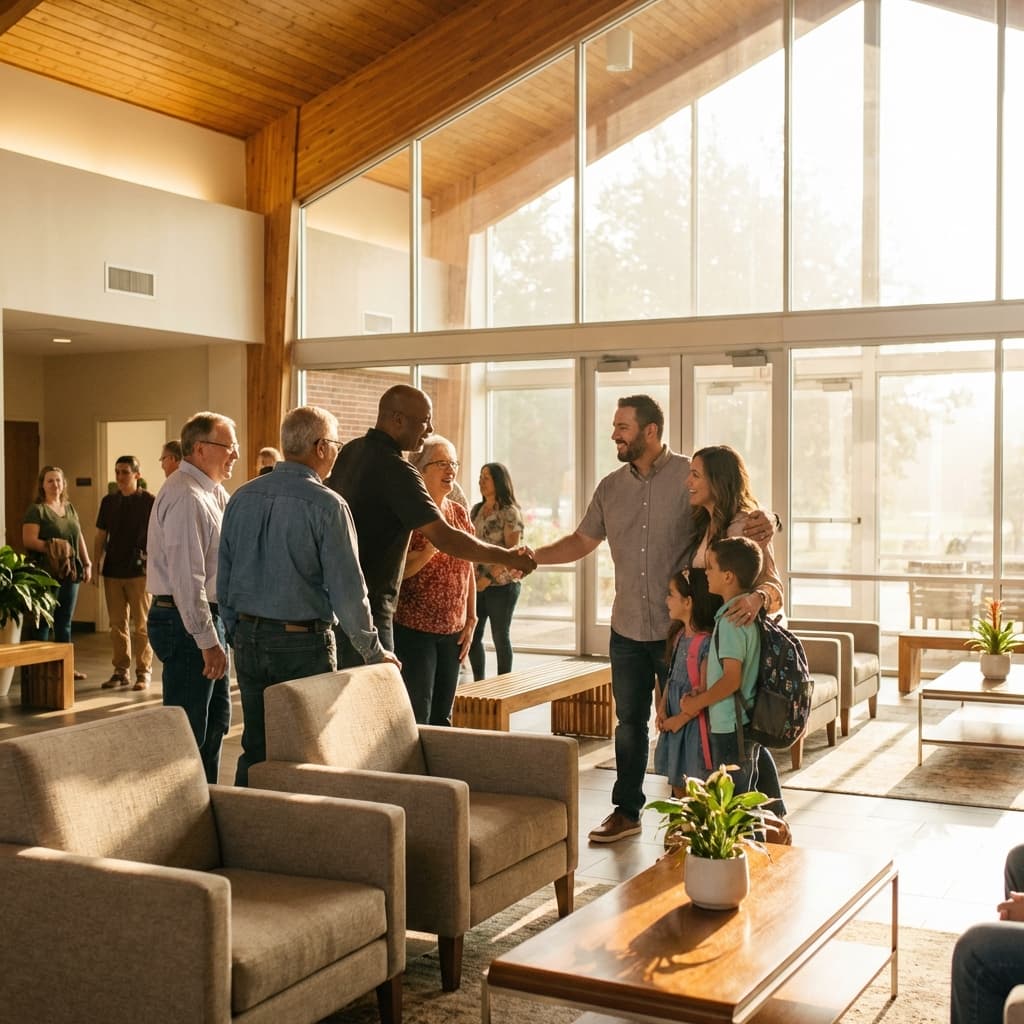
Most churches have a warm welcome on Sunday. Smiles at the door, clear signage, friendly faces. That part is working. The gap happens after the first visit, when a guest goes home and the week gets loud again.
Digital follow up is not a replacement for human connection. It is the bridge that keeps a first time guest from slipping back into the noise. Done well, it feels like care, not marketing. Done poorly, it feels like spam. The difference is clarity, timing, and a simple next step.
Why digital follow up matters more than most teams think
First time guests are sorting through a lot. They are asking, "Is this a place I can belong, and will anyone remember me?" A thoughtful follow up answers that question without pressure. It reinforces what they experienced in person and makes the next step easy.
Digital follow up also respects modern life. Many guests will not pick up a phone call from a number they do not recognize. They will read a short email. They will glance at a text. They will check a church's social media when they are curious again. Those moments matter. If your church is present in those channels, the relationship can continue. For comprehensive support in managing your church's online presence across various platforms, consider our Church Social Media Management services.
Churches that take follow up seriously tend to retain more guests because they remove friction. They help the guest see how to engage, when to visit again, and who to contact. It is less about pushing attendance and more about guiding someone toward belonging.
Map the first seven days after a visit
The first week after a guest visits is the highest attention window. It is also when people are busiest and most likely to forget. A simple seven day map keeps the team focused and consistent.
Here is a clear rhythm that works for many churches:
- Day 1: A short thank you message that references the service they attended and offers one helpful link. Keep it warm and brief.
- Day 3: A follow up that highlights a next step, such as a newcomers gathering, a small group option, or a staff introduction.
- Day 6 or 7: A gentle reminder that you would love to see them again, with a simple way to ask a question.
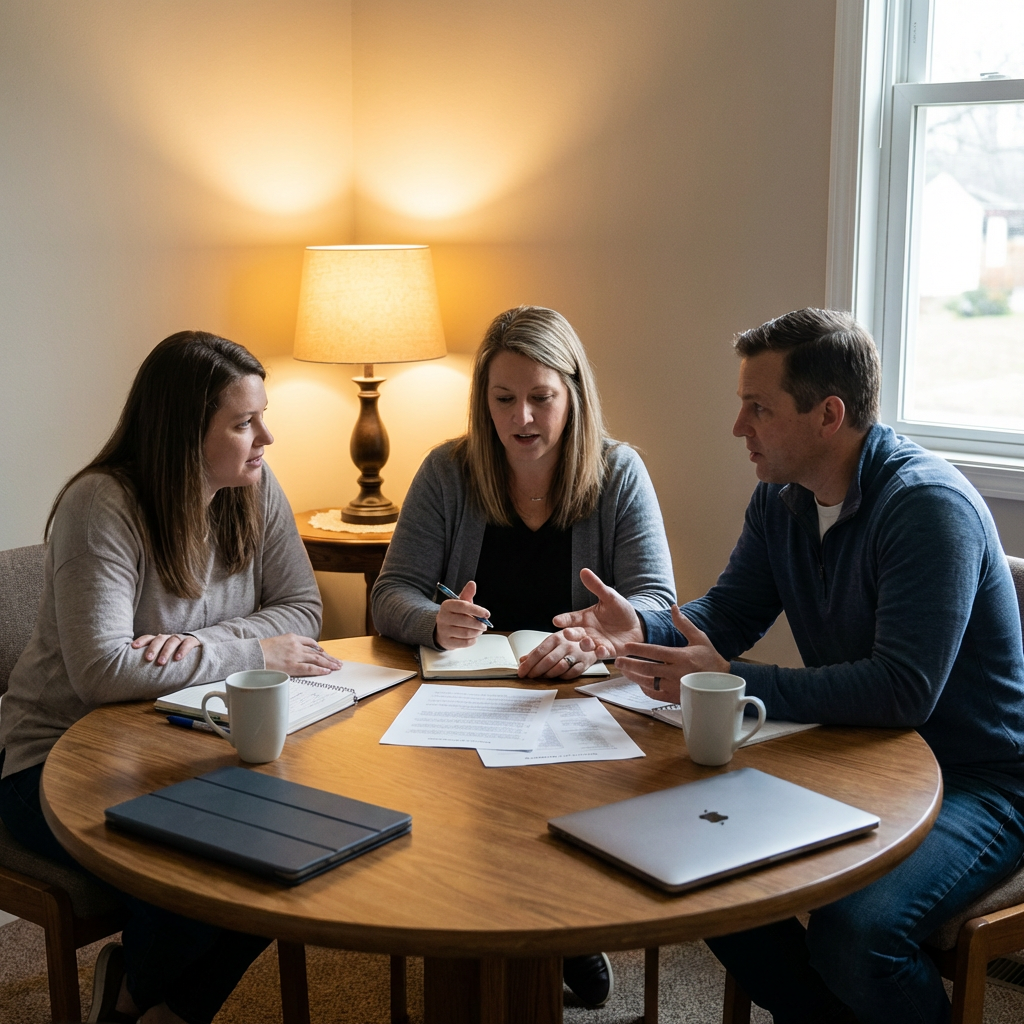
This plan does not require a complex system. It requires a repeatable structure and the discipline to use it every week. If you already have a basic email list, you can start there. If not, begin with a simple form that collects a name, email, and phone number.
Write follow up messages that sound human
Guests can spot a generic message instantly. The goal is to sound like a real person who noticed them. You do not need a long letter. You need one clear sentence of care, one clear next step, and a way to respond.
Here is a simple structure:
- Personal greeting: "Thanks for visiting on Sunday."
- Specific reference: "We loved seeing families at the 10:30 service."
- Next step: "If you want to meet someone, our next newcomers table is this Sunday."
- Open question: "Is there anything we can help with this week?"
If you already have a strong email foundation, build on it. If not, see this guide on building an effective email strategy for your church. It covers list health, timing, and how to stay consistent without overwhelming your team.
Use multiple channels without overwhelming people
Some guests respond to email. Others respond to text. Others check social media quietly before they ever reply. The best follow up plan respects that difference.
A balanced approach often looks like this:
- Email: The main message, longer than a text, easy to archive.
- Text: Short, low pressure, and clearly personal.
- Social media: A steady presence that helps guests confirm who you are.
Social channels are part of the trust building process, not an add on. If your church is not consistent there, guests can feel unsure. This post on why your church needs a strong presence on every platform explains how to show up well without chasing every trend.

Make the next step clear and easy
Many churches focus on the welcome but leave the next step vague. A guest should not have to guess. Pick one invitation and keep it consistent. Examples include:
- A newcomers table after service with a pastor or leader
- A short welcome class held monthly
- A small group sign up that fits their season of life
Consistency helps guests know what to do next. It also helps your team stay aligned. When the next step is clear, follow up becomes a simple invitation instead of a sales pitch.
If your team wants to strengthen the overall digital experience, it helps to understand what is already working. This guide on knowing your church's digital strengths can help you decide where to focus first.
Track what happens and keep the process simple
You do not need a complex dashboard to improve follow up. You need a basic view of what happened. Track how many guests received the first message, how many opened it, and how many replied or took the next step.
If no one is responding, look at the basics first. Is the message short? Is the next step clear? Is the timing too late in the week? Small adjustments often make a big difference. The goal is steady improvement, not perfection.
Many churches use a unified communication platform to keep follow up, events, and contact history in one place. If you are exploring options, the services overview at redletterconnect.com/services provides a simple summary of what is possible. For churches looking to enhance their online presence and ensure their website effectively serves their community, explore our Church Website Design Services. Additionally, for those interested in leveraging free advertising opportunities, learning about the Google Ads Grant for Churches can be a game-changer.
A simple follow up system beats a complicated one
Guests do not need a multi step campaign. They need a clear message from real people who care. Build a simple, repeatable process, and it will do more for your church than a perfect system that no one uses.
If your team wants to prioritize your church's digital marketing improvements, we are happy to share ideas and examples. Book a discovery call and we can walk through what a healthy follow up rhythm could look like for your church.