


Churches often think about digital outreach in broad terms. Post on social media, update the website, send an email, hope the right people see it. That approach can work, but it usually misses one basic truth. People search, click, and respond through language that feels familiar to them.
If your church wants to reach people connected to the Nazarene tradition, your online presence should reflect that. Not in a gimmicky way, and not by stuffing pages with denomination terms, but by showing that you understand the rhythms, events, and questions that matter to that community.
Start with the language people already use
Many church websites talk about ministry in generic language. That keeps things safe, but it also makes the site sound interchangeable. Someone looking for a Nazarene youth conference, a Nazarene church in their area, or a ministry community shaped by Wesleyan theology is not always typing broad phrases like "church near me." They may use denominational language because they want a church environment that feels familiar from the start.
That means your site should include natural references to the denomination when they are true to your church's identity. Event pages, ministry descriptions, staff bios, and FAQ sections are all places where that context belongs. A youth page can mention Nazarene district events. A beliefs page can briefly explain the church's theological roots. A visitors page can answer whether the church is part of the Church of the Nazarene and what that means in practice.
This is one reason local church SEO matters more than most ministry teams think. Search visibility improves when your content matches the words real people are already using.
Build pages around real ministry questions, not internal categories
Church staff tend to organize websites around internal structure. Adults. Students. Missions. Give. Contact. Those sections are fine, but they do not always answer the questions a first-time visitor is asking.
Someone connected to a specific denomination may want to know whether your church participates in district events, how student ministry connects to broader Nazarene programs, whether membership classes explain denominational background, or what worship feels like. Those are search-worthy questions, and they are also trust-building questions.
A stronger approach is to publish a few focused pages or articles that answer them directly. Examples might include "What to Expect at a Nazarene Church if You're New," "How Our Student Ministry Connects to Nazarene District Events," or "How Denominational Identity Shapes Missions and Discipleship at Our Church." These pages do more than fill space. They create entry points for people who are still exploring.
That same principle shows up in good church FAQ strategy. Clear answers reduce hesitation, especially before a first visit.
Use event pages as outreach tools, not just bulletin-board replacements
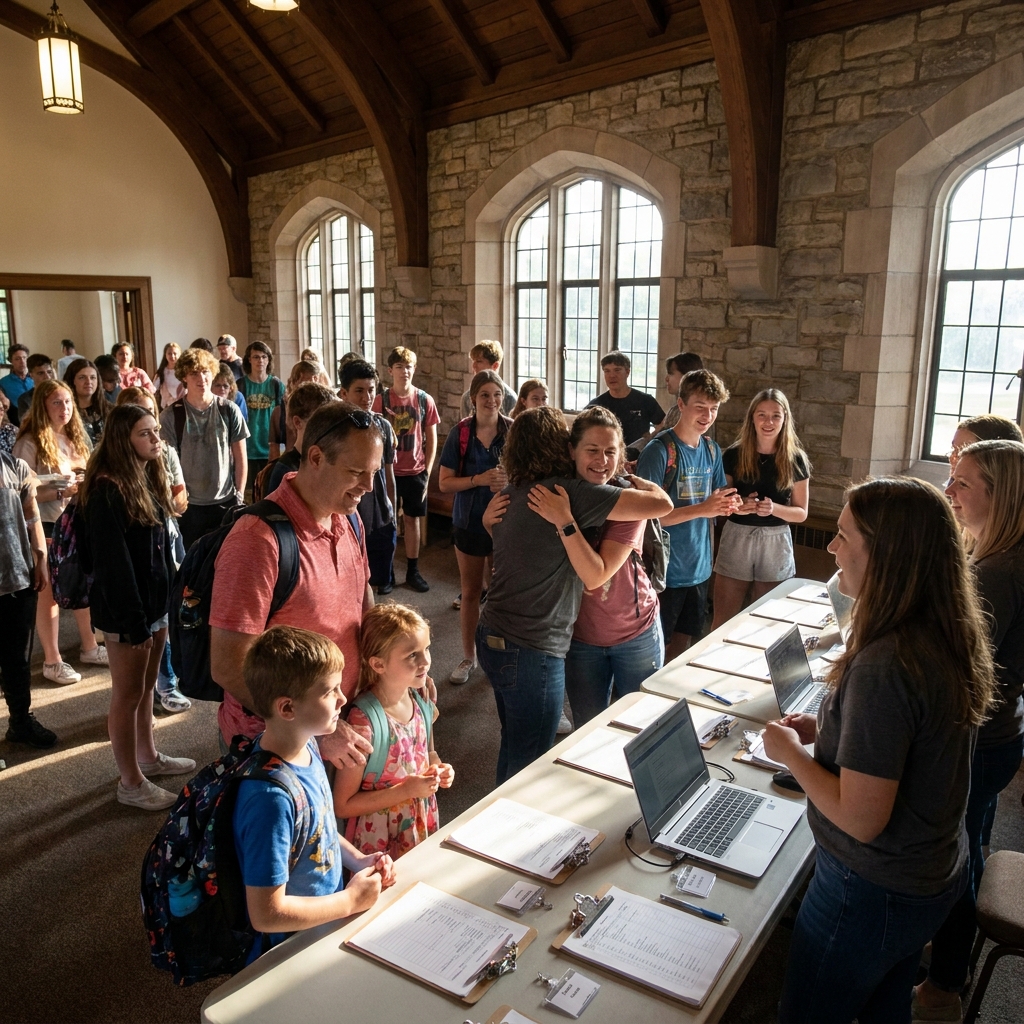
Denominational communities often rally around events. Conferences, camps, district gatherings, and seasonal ministry weekends create spikes in attention. If your church participates in those moments, your site should not treat the event page like a digital flyer that disappears after a week.
A useful event page includes the basics, date, time, location, registration details, but it also explains why the event matters, who it is for, and what someone should expect. If families are involved, spell out check-in details and age ranges. If students are traveling, explain transportation and safety. If the event is connected to a district or denominational network, say so clearly.
Well-built event pages also create follow-up opportunities. A person may search for a youth conference, land on your church site, and realize there is also a local student ministry they want to visit. That is not accidental. It happens when the event page points naturally to your broader ministry life.
If registration is part of the experience, the process itself matters. Clean forms, mobile-friendly pages, and simple instructions can keep families from dropping off halfway through. That is the same issue covered in making event registration easier for families, and it applies here too.
Make local discovery easier for denomination-aware searchers
Some people are looking for doctrine. Others are looking for proximity. Most are looking for both. They want a church near home, but they also want one that feels aligned with their background or expectations.
That is where local discovery work matters. Your Google Business Profile, metadata, page titles, and location pages should make it obvious where you are and who you are. If your church is part of the Nazarene tradition, mention that where it fits naturally. If your church serves a specific city or county, repeat those location signals consistently across the site.
Do not force the wording. Just be plain. "Nazarene church in Springfield" is better than vague copy about community transformation and life-giving connection. People cannot act on language that tells them almost nothing.
For most churches, this work pairs well with a solid Google Business Profile setup. That profile is often the first thing a local searcher sees before they ever click through to the website.
Follow up like a church, not a content machine

Good digital outreach gets the first click. Good ministry follow-up helps that click become a conversation. If someone downloads information, fills out a form, registers for an event, or watches several pages on your site, they should not disappear into silence.
That does not mean building an aggressive automation funnel. It means planning a warm, useful next step. A short email from a ministry leader. A text with event details. A clear invitation to a Sunday service or small group. A follow-up page that helps parents know what their student can expect.
Denominational audiences are still made up of people, not segments. They want clarity, warmth, and signs that someone is paying attention. The technology should support that, not replace it.
If your church is tightening this part of the process, take a look at how digital follow-up can help guests return. The same habits work for first-time visitors coming through denomination-specific touchpoints.
What this looks like in practice
A church does not need a giant content calendar to do this well. It needs a few accurate, thoughtful pieces that reflect real ministry life. One good visitor page. One strong youth or family event page. One beliefs page that actually explains something. One or two articles answering questions people already ask.
That kind of content is easier to maintain, easier to trust, and far more useful than a pile of generic updates. It tells both search engines and people that your church is real, specific, and ready to welcome someone who is looking for a familiar spiritual home.
If your church wants to strengthen that first impression online, start by tightening the pages visitors already see most. Then make sure each one gives people a simple next step. We help churches do that kind of cleanup at Red Letter Connect.