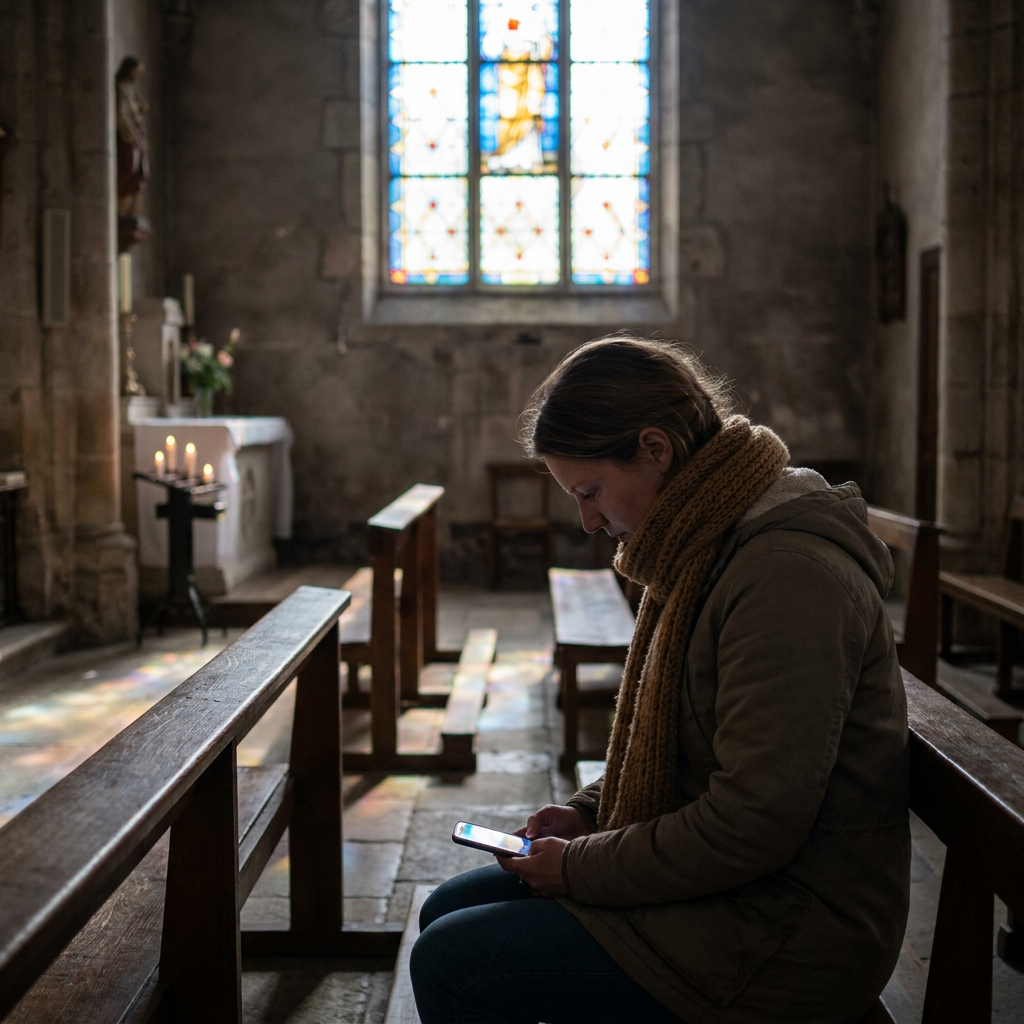

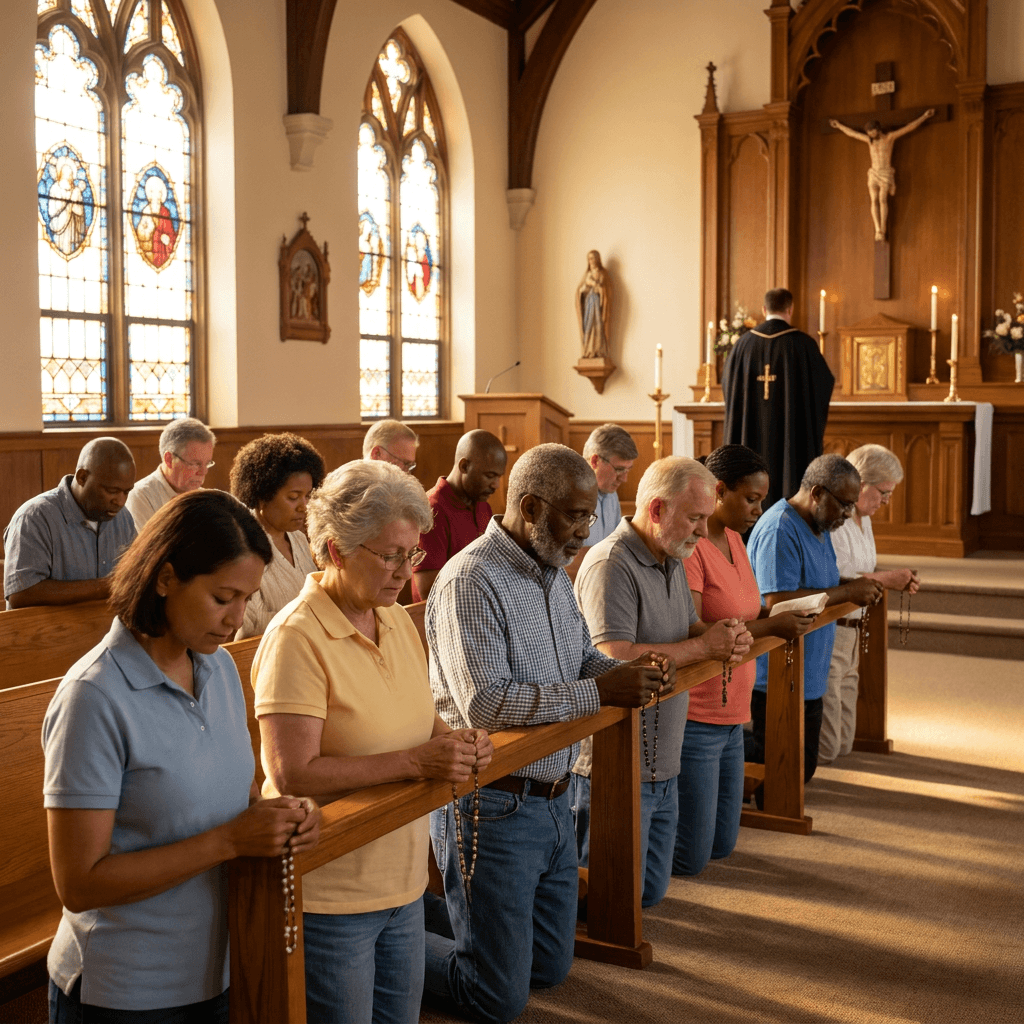
Many people search for daily prayer because they want something steady, simple, and grounding. They are not always looking for a polished campaign. Often, they are looking for a faithful habit, a few quiet minutes, or a sense that someone is guiding them toward God in the middle of an ordinary day.
That is why daily prayer content can matter so much online. When a church publishes thoughtful devotional material on a regular rhythm, it gives people a reason to return, trust the church's voice, and stay connected between services. For churches of all kinds, daily prayers, short reflections, scripture-based prompts, and seasonal devotional content can become one of the most natural forms of digital outreach because they meet a real spiritual need.
Used well, this kind of content does more than increase traffic. It helps your church become a familiar place of encouragement online. If your team is already thinking about how to build a culture of digital evangelism, daily prayer content is one of the clearest places to start.
Why daily prayer content draws people back
People return to online church content when it fits naturally into everyday life. A weekly announcement may be useful, but it does not usually become part of someone's routine. Daily prayer can. It gives your audience something brief, meaningful, and repeatable. That rhythm matters.
Search behavior tells the same story. When someone looks for daily daily prayers, they are showing recurring intent. They are not only exploring a church once. They are looking for a pattern they can revisit. If your church can offer a short prayer, a reflection, or a devotional prompt with consistency, you are giving people a gentle doorway into ongoing connection.
This also helps shift the role of your church website and social channels. They stop being only bulletin boards and start becoming places people visit for spiritual formation. That is one reason church search visibility matters. When people can find useful spiritual content from your church, discovery and ministry begin to reinforce each other.
What makes a daily devotional feel pastoral instead of promotional
The best digital prayer content does not sound like marketing copy dressed up as ministry. It sounds calm, clear, and human. It respects the reader's time. It does not oversell. It simply offers something worth receiving.
For most churches, that means keeping the format simple. A daily post might include a short title, one paragraph of reflection, a brief prayer, and a practical response for the day. You do not need to turn every devotional into a full article. In fact, shorter often works better because it is easier to read on a phone during a commute, a lunch break, or a quiet moment before bed.
It also helps to write with a real person in mind. Think about the parishioner who feels rushed, the curious visitor who has not attended in months, or the parent looking for a way to pause before the day begins. When your writing sounds like it understands those people, the content feels pastoral. When it sounds generic, it gets skipped.
If your church is still improving its broader communication habits, it is worth reviewing how a church communications plan can create consistency. Daily devotionals work best when they fit into a clear rhythm instead of appearing randomly.
How to turn daily prayer content into real online engagement
Posting a prayer is only the first step. Engagement grows when people know what to do next. That does not mean every post needs a hard call to action. It means each post should invite a small, natural response.
Sometimes that response is as simple as asking readers to share the post with someone who needs encouragement. Other times it might be a prompt like, "Pause for one minute and pray this before your first meeting," or "Save this prayer for tonight." Clear, gentle prompts help people interact with the content instead of just scrolling past it.
You can also vary where the devotional appears. A short version can go on social media, a fuller reflection can live on your website, and a weekly roundup can go out through email. That layered approach makes your content easier to encounter without forcing every platform to do the same job. Churches that do this well usually build stronger habits across channels, which is part of why modern church communication tools matter so much.
Another overlooked factor is tone in the comments. If people respond with prayer requests or gratitude, treat that as ministry, not moderation. A brief, kind reply can do more for trust than another week of scheduled graphics.
Planning a sustainable routine your team can actually keep
One reason churches abandon good content ideas is that they make them too large at the start. A daily devotional plan does not need a full production team. It needs a realistic process.
Start by choosing a repeatable structure. For example, your team could prepare two weeks of short prayer posts at a time. One person drafts, another reviews for tone and theological clarity, and a third schedules the content. If your church follows a liturgical calendar, build your planning around that rhythm so feast days, holy days, and seasonal themes are not an afterthought.
It is also smart to decide where original daily writing is needed and where a recurring series works better. You might alternate between morning prayers, saint reflections, examen prompts, and short prayers for families. That kind of pattern lowers stress for the team while keeping the content fresh for readers.
Consistency usually beats complexity. Churches often grow faster online when they commit to a dependable routine rather than chasing constant novelty. The same principle shows up in measuring digital ministry momentum. Repeatable habits create clearer signals than scattered activity.
What to measure if you want to know whether it is working
Not every meaningful ministry result can be counted, but some signals are still useful. If your church starts publishing daily prayer content, pay attention to returning visitors, time on page, saves or shares on social posts, email click rates, and whether specific prayer posts continue getting traffic after the first day.
You should also watch for the human signals. Are people forwarding the devotional to friends. Are prayer requests increasing. Are new visitors referencing the content when they reach out. Those moments often tell you more than raw impressions because they show the content is earning trust.
Over time, daily devotionals can support larger ministry goals too. They can warm up new visitors before a first visit, keep current members engaged midweek, and create a stronger sense that the church is present in daily life, not only on Sundays. That is a meaningful form of outreach because it helps people experience your church as steady and attentive.
If your church wants to strengthen that kind of online presence, Red Letter Connect can help you shape a content rhythm that feels pastoral, sustainable, and clear. You can learn more about that work at redletterconnect.com/services.