


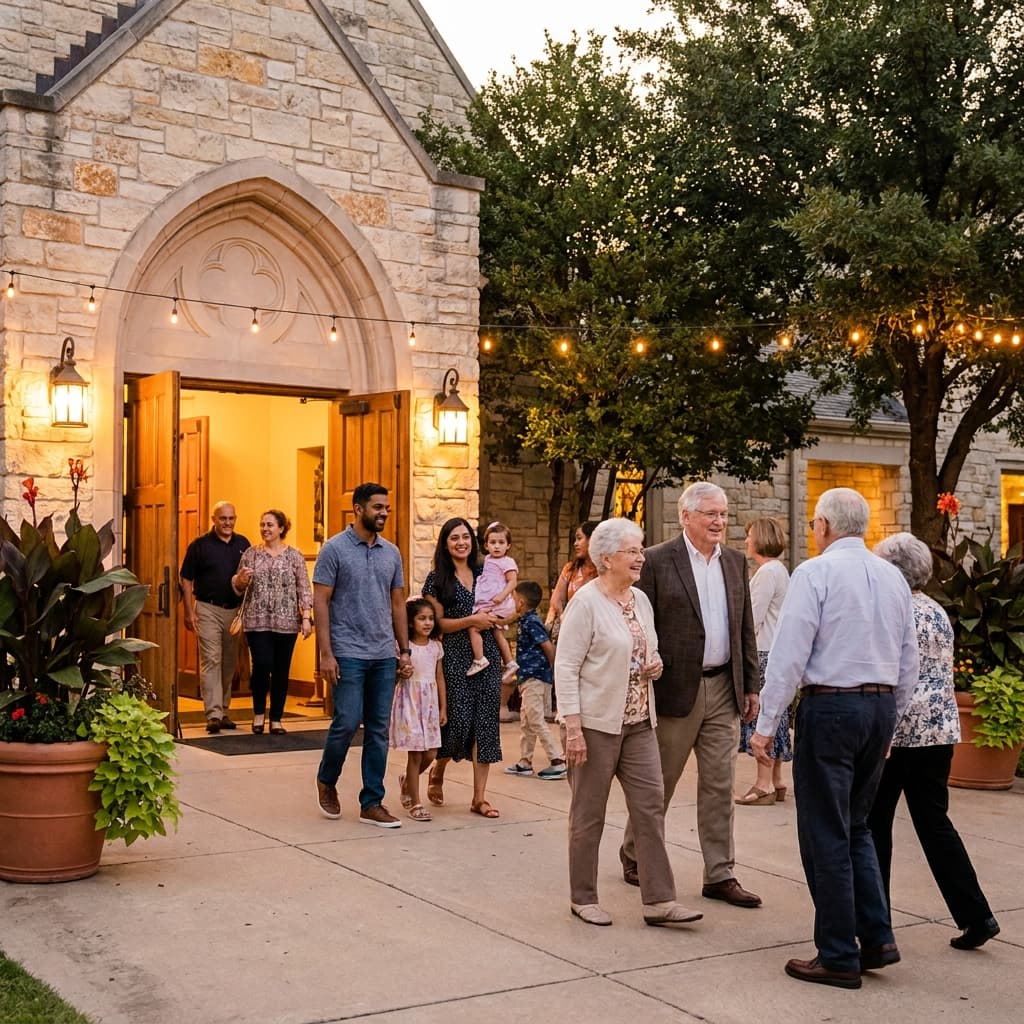
Plenty of churches put real effort into events that deserve a full room, then promotion starts too late, lands in too few places, or sounds too generic to move people from interest to action. When that happens, the issue usually is not the event itself. It is the communication plan around it.
Strong event promotion is less about posting more and more about making it easy for the right people to notice, understand, and remember what is happening. If your church wants better turnout for sermon series launches, family events, outreach nights, or volunteer gatherings, it helps to build a simple system you can repeat.
Start with one clear reason people should come
Before anyone designs a graphic or writes a caption, get specific about why this event matters to the people you want to reach. A vague message like "join us for a special night" leaves too much work for the audience. A clearer message tells people what the event is, who it is for, and why it is worth putting on the calendar.
That is why good promotion begins with positioning, not software. If your team has already worked through a broader church communications plan, event messaging becomes much easier because you already know how to speak consistently across channels.
Try to answer four basic questions in plain language: What is happening? Who is it for? What problem does it solve or opportunity does it create? What should someone do next? If your staff and volunteers cannot answer those quickly, your audience probably cannot either.
Match the promotion channels to the people you want in the room
Not every event needs the same mix of channels. A leadership training night might do well through email, text, and direct volunteer outreach. A community fall festival may need website placement, social posts, local search visibility, printed handouts, and personal invitations. Promotion works better when the channel fits the audience.
Many churches default to social media first, but social should usually support the plan rather than carry the whole thing. Posts help build awareness, but they are rarely enough on their own. For most events, your best results come from using a few channels together, each with a specific job. Email explains. Social reminds. Text prompts action. The website gives the full details in one dependable place.
If your team needs more variety in what you publish before an event, these creative social media content ideas for churches can help you move beyond repeating the same announcement graphic every few days.
Build a simple timeline instead of announcing everything at once
One of the most common mistakes in church event promotion is treating the announcement like a single moment. People are busy, and attention is fragmented. Most attendees will not act the first time they hear about something. They need repeated exposure over time, usually in different formats.
A better approach is to build a short timeline. Start with an early awareness phase, then move into explanation, then reminder, then last-chance messaging. For example, you might mention the event three to four weeks out, open sign-ups two to three weeks out, highlight one reason to attend the following week, answer practical questions the week of the event, and send a final reminder in the last twenty four to forty eight hours.

This does not need to become complicated. The point is not to create more work. The point is to avoid cramming all your communication into one announcement and hoping people remember.
Make registration and event details friction-free
Sometimes turnout problems have less to do with promotion and more to do with what happens after someone clicks. If your event page is hard to find, missing key details, or asks people to jump through too many hoops, interest fades quickly. Every extra step gives someone a reason to drop off.
Your event landing page or website page should answer the practical questions immediately: date, time, location, childcare details if relevant, cost if any, who should attend, and what to expect. This is one reason your church website matters so much. If event information lives in scattered graphics or buried posts, people lose confidence. A strong church website experience for first-time visitors also helps event pages convert better because it trains people to trust what they find there.
Keep forms short. If someone only needs to reserve a spot, do not ask for six extra fields. If no registration is required, say that clearly. If families need details about parking, children, or accessibility, put those answers where they are easy to see.
Turn the event into a conversation, not just an announcement
The strongest church event promotion often feels personal. People are more likely to attend when someone they trust invites them, when they see real faces connected to the event, or when they understand how the event fits into the life of the church. That means the best promotions usually include testimony, personality, and follow-up.
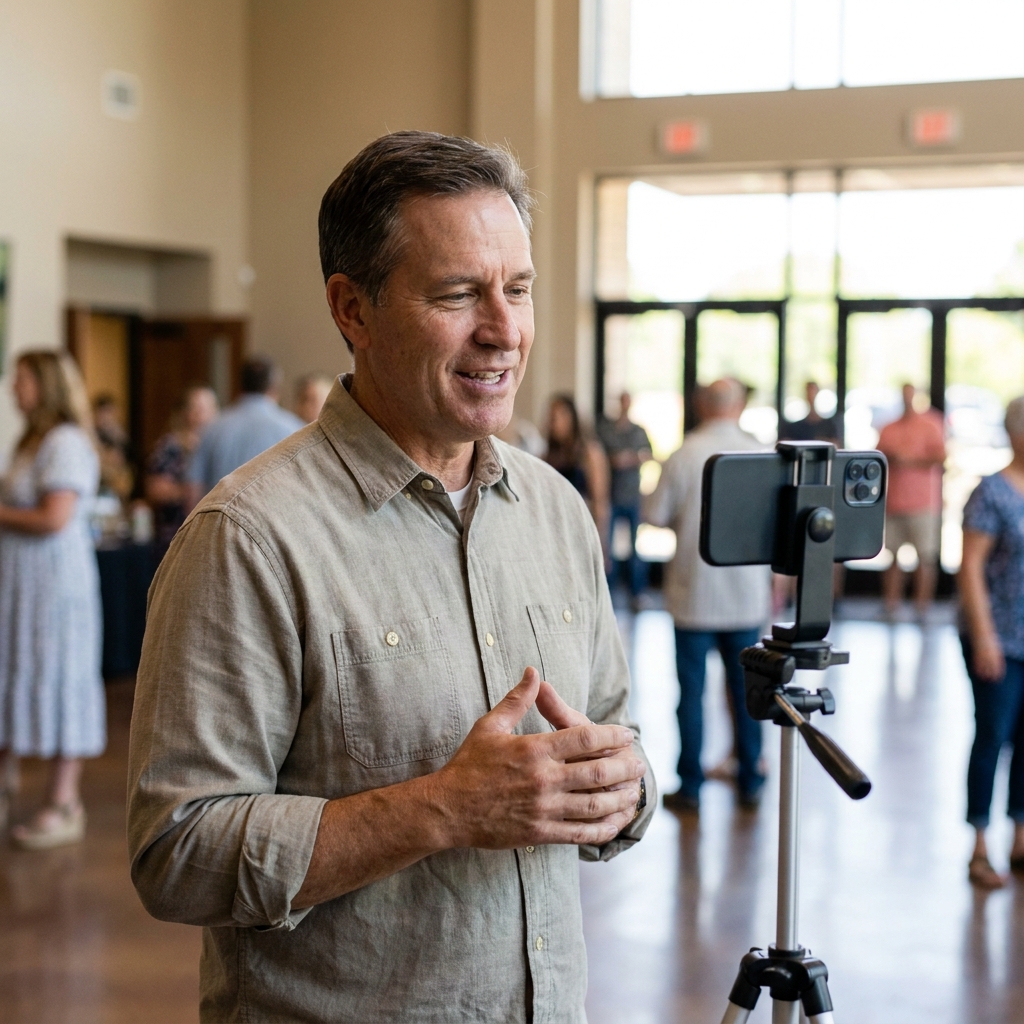
Instead of posting the same flyer five times, share a short video from the pastor, a volunteer, or the ministry leader hosting the event. Let someone explain why it matters. Let a member tell people what to expect. Let a staff member answer the most common question. This creates warmth and clarity that a graphic alone usually cannot carry.
Email and text also work better when they sound like a real invitation. If your church already uses email regularly, apply the same principles from an effective church email strategy to event promotion so each message has a clear purpose instead of feeling repetitive.
Measure what helped people show up
Churches often evaluate events by attendance alone, but if you want better turnout next time, you need to learn how people heard about it and what convinced them to come. That does not require complicated analytics. It just requires paying attention.
After the event, ask a few simple questions. Which channels drove the most sign-ups? Which message got the best response? When did registration pick up? Did people come because of an email, a text, a friend, the website, or Sunday stage mention? Over time, these small patterns help your church spend energy in better places.

Better event turnout is rarely about discovering one secret tactic. It usually comes from improving the basics, clear messaging, repeated reminders, lower friction, stronger invitations, and a follow-up habit. If your church gets those pieces right, more of the right people will actually make it into the room.
If you want to strengthen how your church promotes events, services, and ministry opportunities online, explore more practical church marketing resources at Red Letter Connect.