


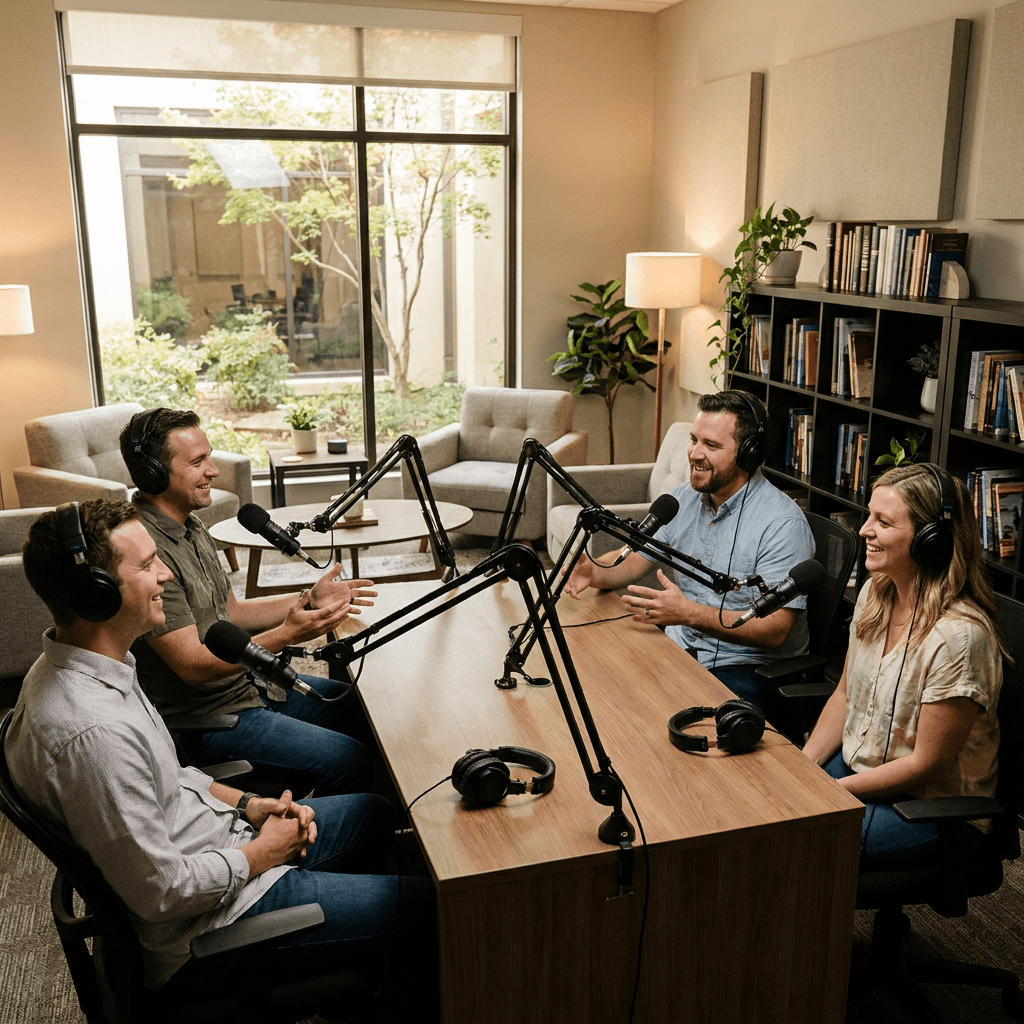
Church leaders keep hearing that podcasts are a smart way to reach people during the week, but many teams still are not sure where to begin. A church podcast can be simple, useful, and sustainable if it fits your ministry rhythms instead of copying a commercial show.
The goal is not to sound like a media company. The goal is to give people another way to learn, stay connected, and hear thoughtful conversations when they are driving, walking, or doing chores. When a podcast is built with that purpose in mind, it becomes a practical ministry tool instead of one more project that quietly dies after six episodes.
Start with a ministry purpose, not a microphone
Before anyone buys gear, decide what the podcast is supposed to do. Some churches want a weekly conversation that reinforces the sermon. Others want short leadership devotionals, testimony stories, or interviews that help members process faith in everyday life. Clarity here saves a lot of frustration later.
A good first question is this: what gap would the podcast fill that your current Sunday and midweek communication does not? If your church already has a strong email rhythm, active social channels, and a healthy video presence, the podcast should add a different kind of value. It might create space for longer conversations, pastoral explanations, or ministry stories that do not fit neatly on social media. Churches already thinking carefully about channel roles usually do better long term, which is the same discipline behind a church communications plan people actually follow.
Once the purpose is clear, choose one primary listener. Maybe it is parents in your church, small group leaders, first-time guests exploring faith, or volunteers who want deeper training. A broad audience sounds appealing, but a clear audience usually leads to a clearer show.

Choose a format your team can keep up with
The most common mistake is picking a format that looks exciting but takes too much time. A polished multi-camera interview show with custom intros, heavy editing, and weekly guests can overwhelm a small ministry team fast. A lighter format often serves the church better because it actually continues.
Most churches should begin with one of three formats. The first is a sermon follow-up conversation between a pastor and staff member. The second is a short teaching or devotional episode in the ten to fifteen minute range. The third is a simple interview show featuring ministry leaders, volunteers, or members with helpful stories to share.
Whatever format you choose, define the workflow in plain terms. Who books guests? Who records? Who edits? Who writes the episode title and description? Who publishes it and clips it for promotion? If those jobs stay fuzzy, the podcast turns into a vague team aspiration. If they are assigned clearly, even a small volunteer team can keep the show moving. That kind of role clarity matters across digital ministry work, just like it does in creative church social content planning.
Keep the gear simple and the audio clear
People will forgive a lot before they forgive bad audio. You do not need a studio buildout, but you do need sound that is clear, steady, and easy to listen to. In most cases, a quiet room, two decent directional microphones, headphones, and a straightforward recording setup are enough to start.
The room matters more than most teams expect. Hard surfaces create echo, and echo makes even good microphones sound distant. A carpeted office, a classroom with soft materials, or a smaller meeting room usually works better than a large sanctuary. Shut off noisy air units if possible, silence phones, and test levels before the real conversation begins.
It also helps to set a standard recording routine. Use the same room when you can. Put microphones in the same positions. Do a short sound check every time. Save files in an organized folder structure. Small habits like these reduce technical surprises and make volunteer handoff easier. If your church already runs video ministry, some of the same thinking from building a stronger church YouTube presence applies here too, especially around consistency and content organization.

Plan episodes in seasons, not in panic
Many church podcasts stall because each episode starts from zero. The team meets on Monday, asks what to record, scrambles for a topic, and hopes something useful comes out. A better approach is to think in seasons or batches.
For example, you might plan eight episodes around one ministry theme, such as prayer, parenting, serving, or spiritual habits. That gives the show a clear shape and helps people know what to expect. It also makes production easier because the team can outline multiple episodes at once, batch recordings, and prepare promotion ahead of time.
Season planning does not need to feel rigid. It simply gives structure to the creative work. You can still leave room for timely interviews or a special conversation after a major church moment. The point is to avoid constant reinvention.
As you map topics, think about how podcast episodes connect with the rest of your content. A sermon series can feed two or three related conversations. A ministry emphasis month can produce both podcast episodes and email follow-up. A volunteer training conversation might support your existing work on church texting, email, or small groups. Strong content teams usually repurpose thoughtfully instead of treating every channel like a separate universe.
Distribute widely, then promote with a repeatable rhythm
Publishing the audio is only half the job. People need simple reminders that the podcast exists. Start by distributing to the major listening platforms through one hosting provider, then build a basic promotion checklist your team can repeat every week.
That checklist might include a short email mention, a social post with one clear takeaway, a link in the church app, and a line on your website. Churches that already think intentionally about digital follow-up often have an advantage here because they know how to guide people from one next step to another. A podcast should feel connected to the rest of the church's digital experience, not hidden off to the side. If your website is still acting like a static brochure, it is worth revisiting what makes a church website genuinely helpful for new visitors.
It is also smart to create one or two reusable promotional templates. For example, every episode can have a short summary, a quote clip, and a direct listening link. Keeping promotion simple matters because churches rarely fail from lack of ideas. They usually fail from adding too much complexity to a small team.

Measure whether the podcast is helping, not just whether it exists
Download counts matter, but they are not the whole story. A healthy church podcast should be evaluated by ministry usefulness. Are people mentioning episodes in conversation? Are small group leaders sharing them? Are first-time guests finding them helpful? Are volunteers learning from them? Those signals often tell you more than raw listens.
Pick a few practical indicators before launch. You might track average downloads after thirty days, episode completion trends if your host provides them, clicks from email, or whether certain ministry topics consistently create response. The point is not to drown the team in analytics. It is to learn whether the show is serving its purpose. That same discipline shows up in broader conversations about measuring real ministry momentum online.
If the show is helping people, keep improving it. If it is creating stress without clear ministry value, simplify the format, reduce the cadence, or pause and regroup. Good stewardship includes knowing when to scale something back so it can last.
If your team is thinking about new ways to strengthen weekday communication, a podcast can be a strong fit when it is built around a clear audience, simple production, and a realistic workflow. It does not need to be flashy. It just needs to be useful. If you want ideas for how a podcast could fit into your broader digital ministry mix, explore more church communication strategies at Red Letter Connect.